Kaba Mas High Security Pedestrian Exit Device Installation Guide
Open the original PDF document
View PDFInstallation Guide
Kaba Mas High Security Pedestrian Exit Device
Document Number 544.1116 Rev. B4 — 07/2018
WARNING: The Kaba Mas X-10 used with the DKX-10 is protected from Electrostatic Discharge (ESD) damage once installed, but can be damaged during the installation process if proper precautions are not observed. Follow these precautions to avoid ESD damage when installing the lock:
- Do not touch the end of the flex cable if the ESD protective cover has been removed.
- For the best protection, use an ESD wrist band grounded to the lock during installation.
- The lock is protected to greater than 25,000 V when correctly installed.
Note: The GSA approved Kaba Mas FF-L-2890B High Security Pedestrian (HSPED) Exit Device is available for use with a Kaba Mas, Style 1, X-10 combination lock or a Sargent & Greenleaf (S&G) 2740B, Style 2 combination lock.
This document designates the Exit Device with a modified CDX-10 lock as: DKX-10
This document also designates the Exit Device with a modified CDX base with the S&G 2740B lock as: DKX-19
The HSPED combines, through linkage, a Dorma model 9300 fire rated exit device and a Kaba Mas CDX-10 baseplate. If the system is ordered with a Kaba Mas X-10, the X-10 is mounted to the baseplate. If the system is ordered with an S&G combination lock, the S&G lock is mounted to the CDX-10 baseplate. The procedure to mount the DKX unit to the door is the same whether the combination lock is an X-10 or S&G 2740B lock. The process to install and set up the X-10 (once the CD base plate is mounted to the door) is the same as it would be for any X-10 or CDX-10 installation. The installation and setup for the S&G 2740B lock is also the same as it would be for any standard installation. A copy of Kaba Mas X-10 installation instructions are provided when the device is ordered with an X-10. S&G's 2740B lock installation instructions are provided with the S&G lock when it is specified.
Only technicians who have successfully completed manufacturer certified training for combination locks should install the DKX-10 or the DKX-19.
NOTE: One set of instructions should be left with the building owner after devices have been installed.
Trademarks
The following items are trademarks or registered trademarks of Kaba Mas in the United States and/or other countries.
- PowerStar Technology
- DKX-10, X-10
Document Number 544.1116 Rev. B4- 05/18
Kaba Mas LLC 1051 Newtown Pike Ste. 150 Lexington, KY 40511 USA Phone: 859-479-1329 FAX: 859-303-8993 Technical Support: 800-950-4744
Table of Contents
5 Introduction
Installation Overview
6 Door Handing
DKX Series Templates
7 Parts Check
Packaging Rim Exit Device Box
8 Cam Plate Assembly
Exploded View Parts Detail DKX-10 Box DKX-10 Installation Kit Contents
9 DKX-19 Box
DKX-19 Installation Kit Contents
10 DKX Series Door Preparation
Mark Rim Exit Device and Strike Locations
11 Install the Dorma 9300F Exit Device, Trim & Strike
9300F Fire Rim Exit Device Installation Instructions
12 Handing change of trim, cylinder specifications & installation
Secure chassis to door
- 13 Install strike
- 14 Install touch bar and rail assembly and end cap to door Options
- 15 Install DKX Series Lock Strike
- 16 High Security Pedestrian Door Lock Installation (DKX-10)
- 17 Cutting the Tubes
- 18 Installation of the Lock
Installation of the Dial Ring
19 Installation of the Cables
Installation of Generator Cable and Cable Guides
20 Installation of the Dial Ring Cover
Cutting and Installing the Spindle
- 21 Installation of the Dial Hub and Dial
- 22 Interface Hardware (DKX-10 and DKX-19)
Install Knob Lever Assembly
23 Install Lock Cable Assembly
Install Cable Assembly
25 Covers
Install Chassis Cover Install Lock Cover
26 Install Manual O/R Knob Label
Maintenance
27 9000 Series Electric Trim Instructions
INTRODUCTION
Installation Overview
The HSPED DKX-10 consists of:
- 1. A Rim Fire Exit Device (Dorma 9300F) and Outside Lever Trim Y09L with IC mortise cylinder (less core)
- 2. A modified High Security Pedestrian Door Lock (CDX-10)
- 3. Interface Hardware, Covers and Cover Brackets
The HSPED DKX-19 consists of:
- 1. A Rim Fire Exit Device (Dorma 9300F) and Outside Lever Trim Y09L with IC mortise cylinder (less core)
- 2. A High Security Pedestrian Door Lock (CDX-10 base) with the S&G 2740B combination lock
- 3. Interface Hardware, Covers and Cover Brackets
NOTE: Open box, lay out all parts and verify prior to beginning installation.
The Installation Guide will describe the steps required to install each component of the High Security Pedestrian Exit Device.
NOTE: Product requires a Minimum Door Width of 36" or greater. Interference between the strikes and covers may result if door is less than 36" wide.
Before beginning installation, be certain to have the following tools readily available:
- Measuring tape
- Level and straight edge
- Combination square
- Tape
- Hammer
- Center punch
- Electric hand drill
- 1/8" drill bit
- 1/4" drill bit
- 9/32" drill bit
- ⁵/₁₆" drill bit
- ⅜" drill bit
- ½" drill bit
- #16, #21, and #25 and 7/16" drill bits
- 2 1/8" hole saw with ¼" pilot
- 1" hole saw with ¼" pilot
- Long nose pliers
- Pliers
- Adjustable wrench
- 3/8" box-end wrench
- Hacksaw
- File
- ¼" or smaller slotted head .0.screwdriver
- #1 Phillips head screwdriver
- #3 Phillips head screwdriver
- #1 Phillips head stubby screwdriver
- Safety glasses
Other tools which may be required:
• #10-24 Screw cutter
For a metal door installation, the following tools are needed:
- Tap handle
- #10-24 tap
- #10-32 tap
- #12 24 tap
Door Handing
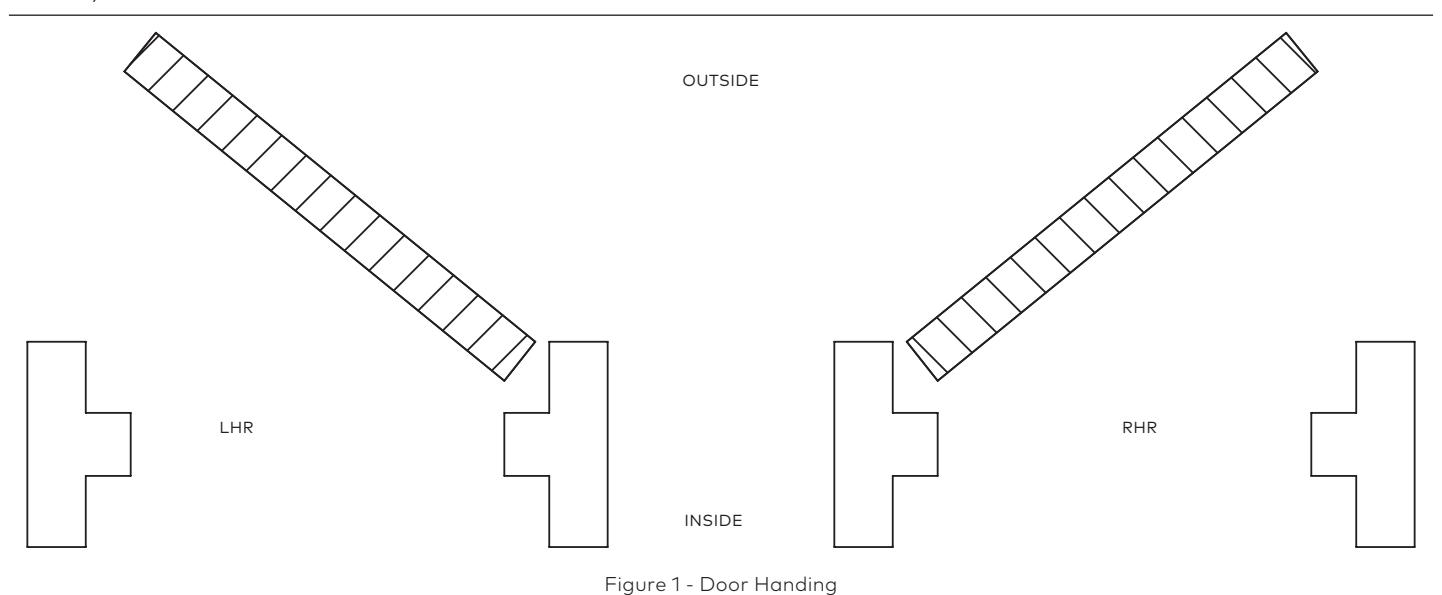
Determine whether the door is left hand reverse (LHR) or right hand reverse (RHR) by referring to Figure 1.
*This device will only work on out-swing doors and is handed (RHR or LHR).
NOTE: Installer must ensure that the door meets all building, fire and security code requirements prior to installing the High Security Pedestrian Exit Device.
DKX Series
Installation jigs are recommended when installing DKX-10 / DKX-19 High Security Pedestrian Door Systems. The jigs are especially helpful when installing multiple systems. Drill jigs require only a horizontal reference centerline to establish all hole locations.
Installation Kit Number 524026 includes:
- (1) DKX Drill Jig
- (1) DKX Strike Drill Jig
(Jig is universal)
Templates
DKX Series Lock Mounting
A template ( #546.0117 ) is included to assist in laying out the hole locations for the DKX-10 lock assembly. This template is positioned on the inside of the door as described in the "DKX-10 Lock Assembly Template" section.
1 Parts Check
Packaging
The High Security Pedestrian Exit Device is packaged in two boxes:
-
1. The Rim Exit Device Box contains:
- Rim Exit Device with associated parts and mounting hardware
- Outside Lever Trim with Cylinder housing and mounting hardware
- Interface Hardware, Cam Plate Assembly (LHR Only) Covers and Cover Brackets with mounting hardware
- DKX Series Installation Instructions Kit 514044 and Drill Template 546.0117
-
2. The DKX-10 Box contains:
- A High Security Pedestrian Door Lock (CDX-10)
-
3. The DKX-19 Box contains:
- A High Security Pedestrian Door Lock Base Plate with S&G Model 2740 B Combination Lock
Rim Exit Device Box
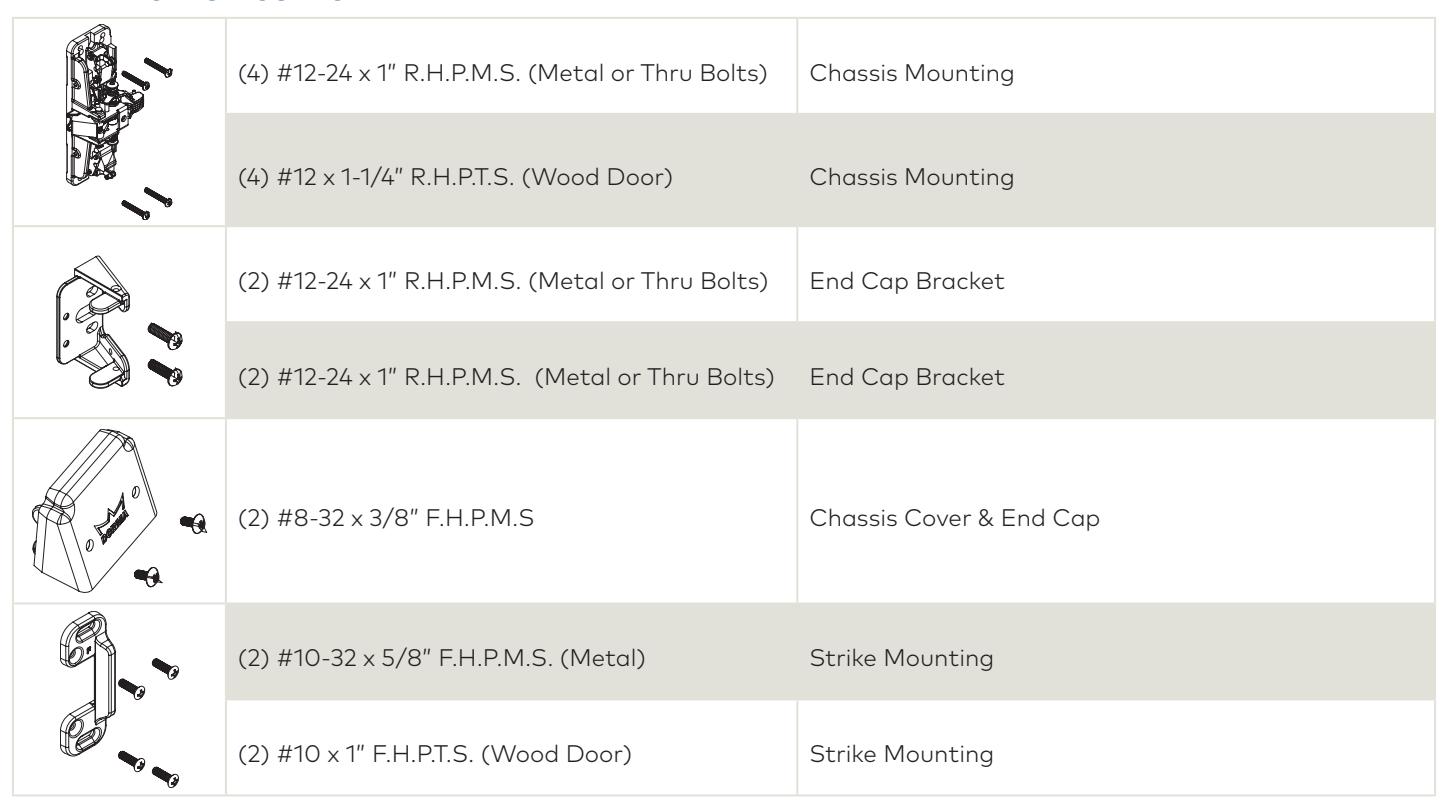
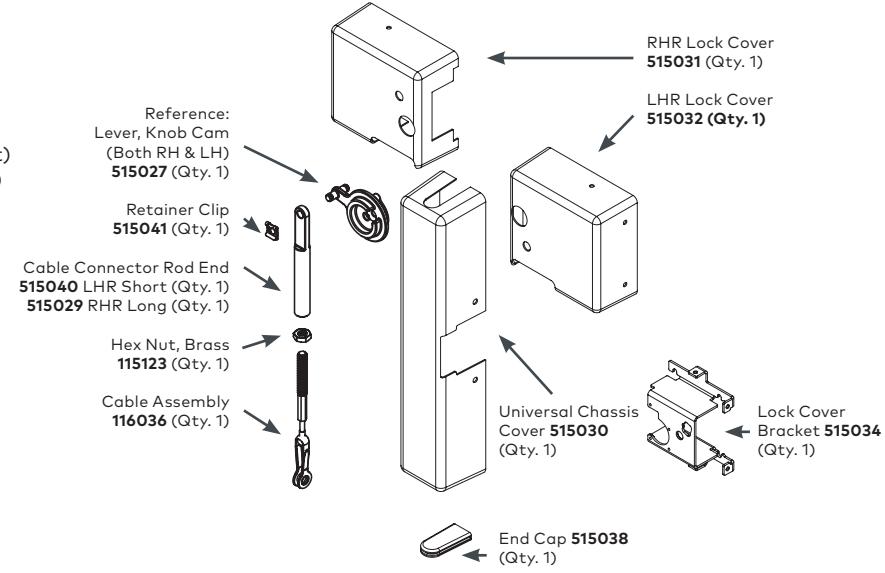
Covers & Other Misc. Parts:
(Qty. 1) Universal Chassis Cover 515030
(Qty. 1) RHR Lock Cover 515031
(Qty. 1) LHR Lock Cover 515032
(Qty. 1) End Cap 515038
(Qty. 1) Retainer Clip 515041
(Qty. 1) Cable Connector Rod End 515040 (LHR - Short)
(Qty. 1) Cable Connector Rod End 515029 (RHR - Long)
(Qty. 1) Cable Assembly 115036
(Qty. 1) Hex Nut, Brass 1150123
(Qty. 1) Lock Cover Bracket 515034
Reference:
(Qty. 1) Lever Knob Cam 515027 (LHR-Short)
(Qty. 1) Lubricant 9810004 (Not Shown)
Rod Connector & Cable Assembly 514033 (RHR-Long)
(Qty. 1) Retainer Clip 515041
(Qty. 1) Cable Connector Rod End 515040 (LHR-Short) 515029 (RH R- Long)
(Qty. 1) Brass Hex Nut, Brass 115123
(Qty. 1) Cable Assembly 116036
(Qty. 1) Cable Connector Rod End 515027 (RHR-Short)
Cam Plate Assembly
(For Use with LHR Door Only)
Exploded View Parts Detail
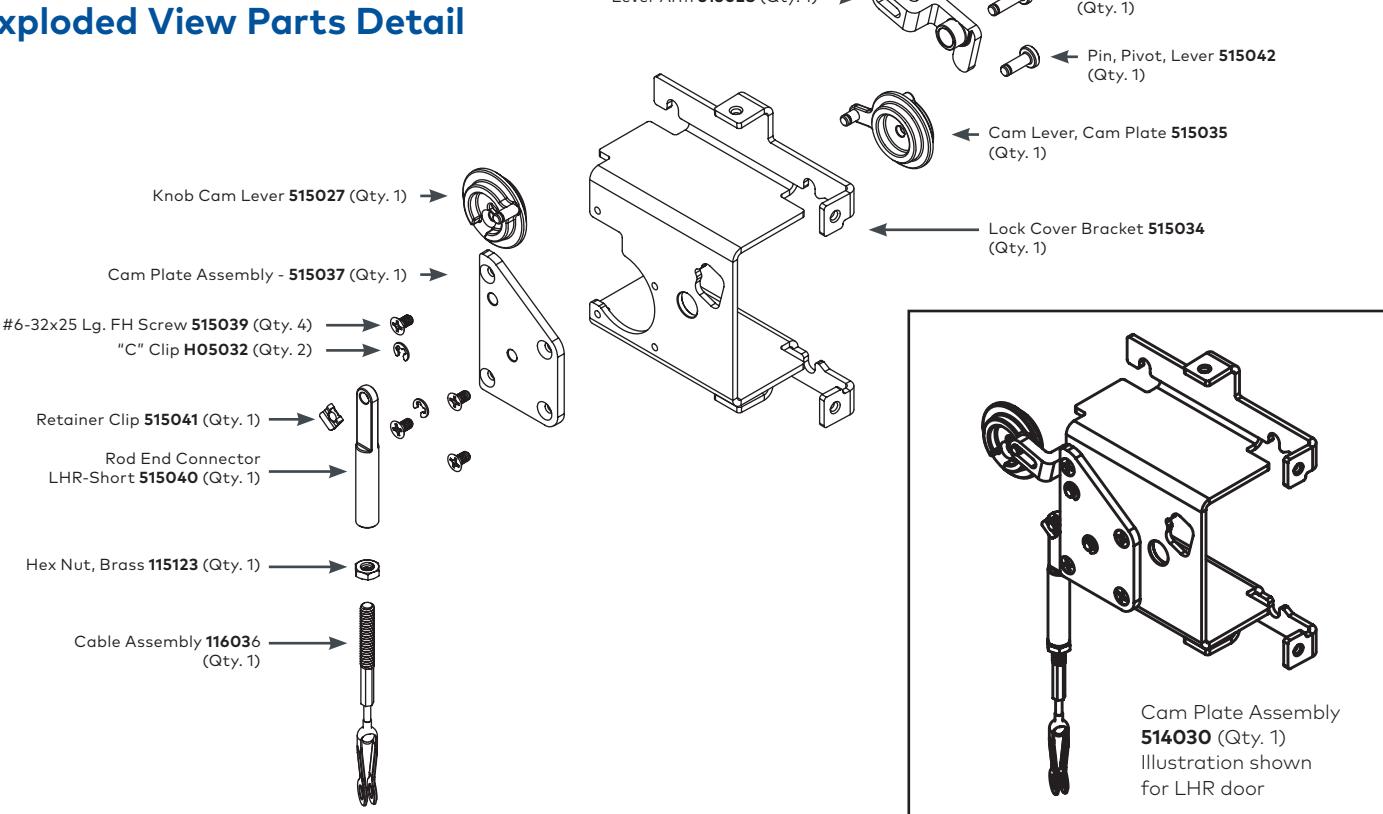
Lever Arm 515028 (Qty. 1) Pin, Pivot, Lever Arm 515033
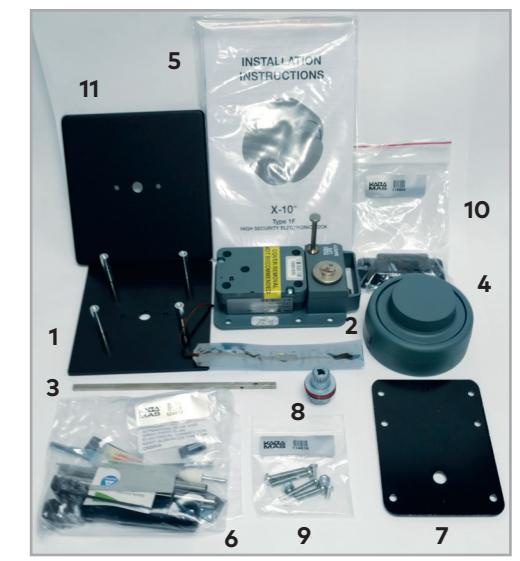
DKX-10 Box
Lock Parts for Installation
- 1. Mounting Plates
- 2. DKX-10 Lock Body and Baseplate
- 3. Spindle
- 4. Dial Assembly
- 5. Installation Instructions
- 6. Installation Kit
- 7. Back Plate
- 8.Hub
- 9. Screw Kit
- 10. #2 Strike
- 11. Escutcheon Plate
DKX-10 Installation Kit Contents (P/N 504002)
- 1. Blade, saw (52 teeth/inch)
- 2. Handle, saw
- 3. Tube, outer
- 4.Tube, inner
- 5. DKX-10 to door mounting screws, pan head #10 x 1.25, Type AB (6)
- 6 Dial ring attaching locknuts, #8-32 (2). (Packaged with and used with exterior mounting plate)
- 7. Rubber vise clamp
- 8.Lubricant
- 9. Gauge, dial hub locating
- 10. Zebra Connector and Retainer
- 11. Cable Tie Clips (3)
- 12. Dial ring to door mounting screws, pan head #8 -32 X 1.0 Type AB (2).
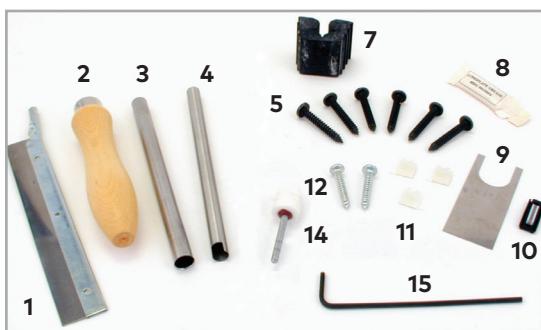
- 13. Cover Lock Pin and Clip
- 14. Stone, deburring
- 15. Hex key (5/₆₄")
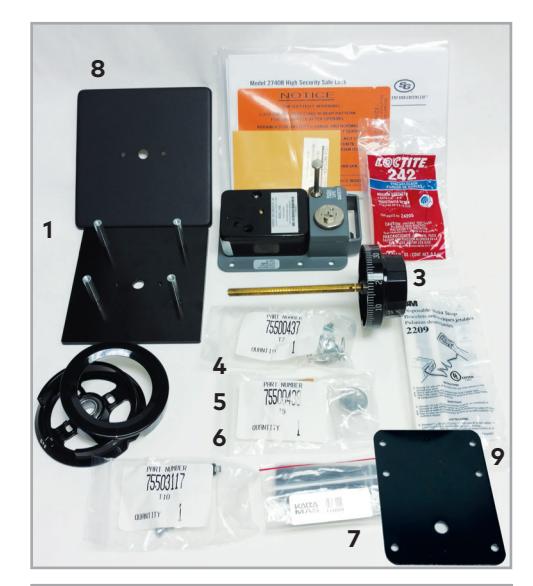
DKX-19 Box
Lock Parts for Installation
- 1. Mounting Plates
- 2. DKX-19 Lock Body (S&G 2740B)
- 3. Dial/Spindle Assembly
- 4. Install Kit
- 5. Misc. Install Kits (3X)
- 6.Strike Kit, #2
- 7. Lubrication
- 8.Escutcheon Plate
- 9. Back Plate
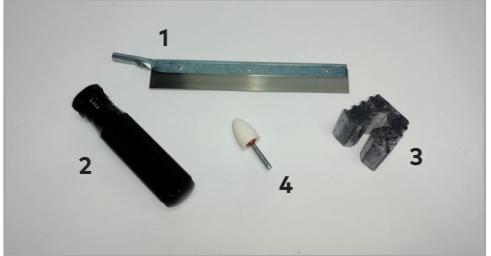
DKX-19 Installation Kit Contents (P/N 514044)
- 1. Blade, Saw (52 teeth/inch)
- 2. Handle, Saw
- 3. Rubber Vise Clamp
- 4.Stone, Deburring
2 DKX Series Door PreparatIon
Mark Rim Exit Device and Strike Locations
NOTE: Door must be fitted and hung properly before proceeding.
NOTE: Most doors are equipped with rubber bumpers to dampen the closure. The door must remain in the same state in which it was prepped.
- 1. With the door closed, establish the Rim Exit Device horizontal reference centerline by measuring (2) places approximately 12 inches apart, measuring 40 5/16" off the floor. Using a level, or straight edge, scribe a line through your two marks to ensure they are parallel to the floor. This is the horizontal reference centerline to which the template will be aligned.
- 2. With the door closed, establish the template vertical reference centerline by measuring (2) places approximately 12 inches apart, measure 6 inches from the Strike mounting surface. Using a level, or straight edge, scribe a line through the two marks, assuring they are parallel to the Strike mounting surface. This is the vertical reference centerline to which the template will be aligned.
NOTE: Height is 40 5/16" off floor, and 6" off the Strike mounting surface.
NOTE: The 40 5/16" distance from the finished floor surface to the Rim Exit Device horizontal reference centerline is a suggested distance, and may be varied to meet application requirements. However, in no case should this distance be greater than 48" due to National Fire Protection Association code requirements.
NOTE: For Type 4, Electronic Trim, see additional Raceway Prep, page X.
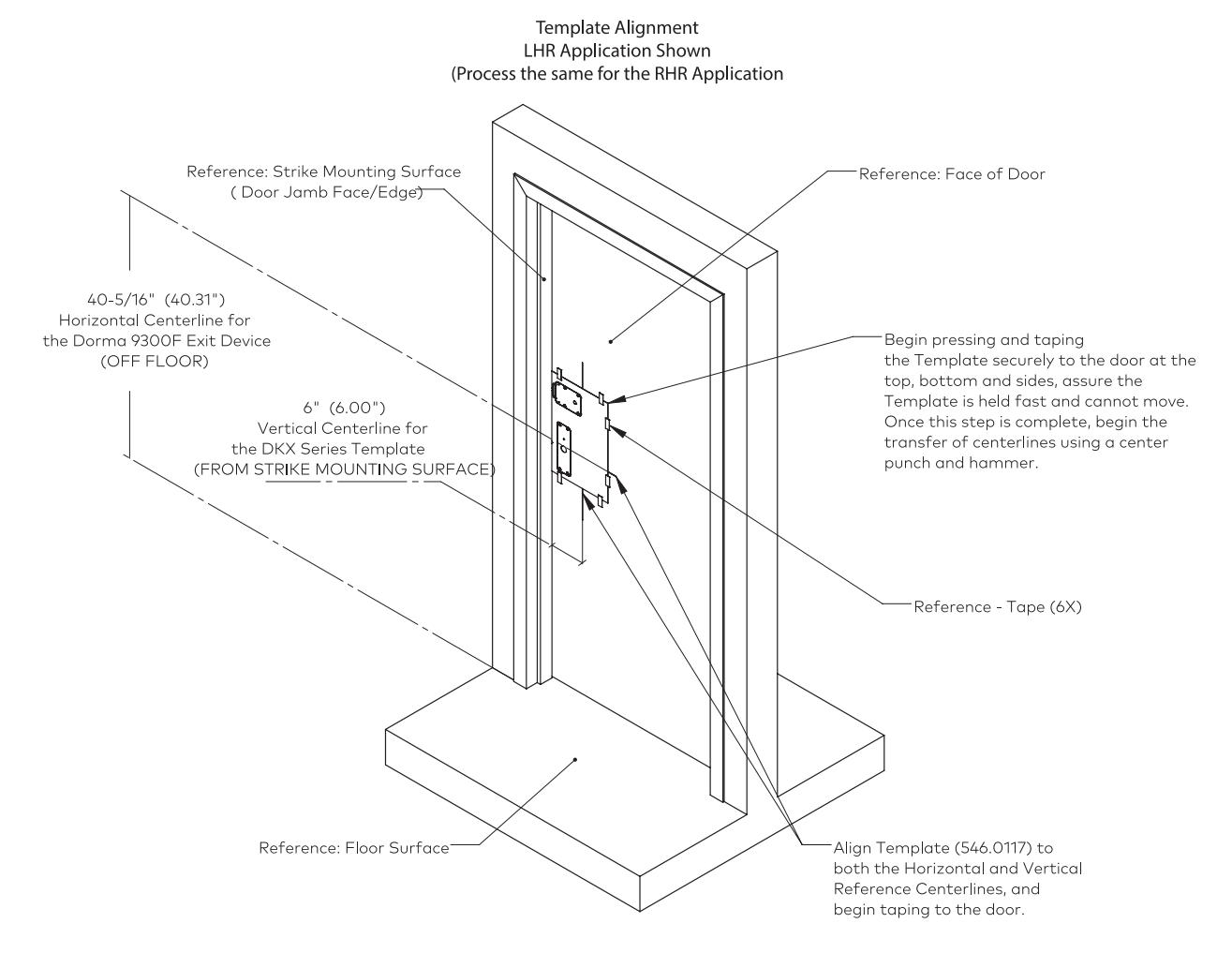
Figure 2 - Establish Rim Exit Device Horizontal and Vertical Reference Centerline
- 3. Position the DKX Series Template ( 546.0117 ) on the face of the door, positioning it so that the vertical and horizontal centerlines on the door are aligned to the same centerlines on the template. Once the alignment is assured, tape the template firmly to the door. Do not allow the template to slip; alignment must be maintained.
- 4. Transfer the horizontal centerlines to the Strike mounting surface, establishing the centerline of the Strikes (2X).Transfer the horizontal centerlines to the Strike mounting surface, establishing the centerline of the Strikes (2X).
- 5. All holes can now be drilled according to the diameters listed on the template. The 1/8" Pilot Hole, above the Exit Trim Spindle Hole for the Dorma 9300F Panic Bar, is to be drilled through, then on the opposite side of the door, a 21/8" diameter hole is to be drilled using a Hole Saw x 1 1/4" deep. This is for the Key Cylinder (clearance) on the Dorma outside Trim.
- 6. Ensure the Horizontal Centerlines (2X) were transferred onto the Strike mounting surface.
3 Install the Dorma 9300F Exit Device, Trim & Strike
- 1.. Upon completion of this installation, you are now ready to install the DKX Lock to the Door.
- 2.. Ensure the Panic Bar is functioning correctly, and that no play between the Bolt and Strike exists when door is closed.
9300F Fire Rim Exit Device
Installation Instructions
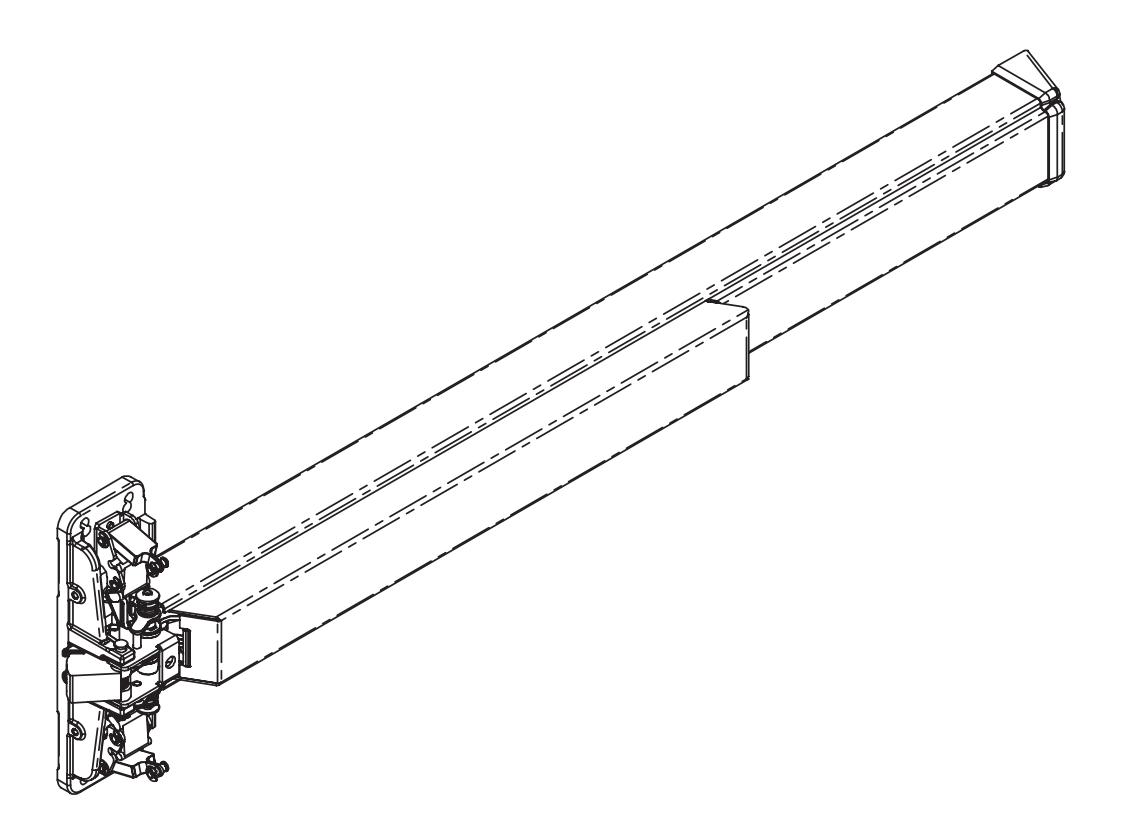
Refer to carton label for model and trim number prior to drilling. Prepare mounting holes and cut-outs per template.
4 Handing change of trim, cylinder specifications and installation.
NOTE: For specific trim functions, cylinder type, and handing information, see additional instructions packed with trim.
NOTE: For Type 4 Electronic Trim, see additional documentation pages x through x.
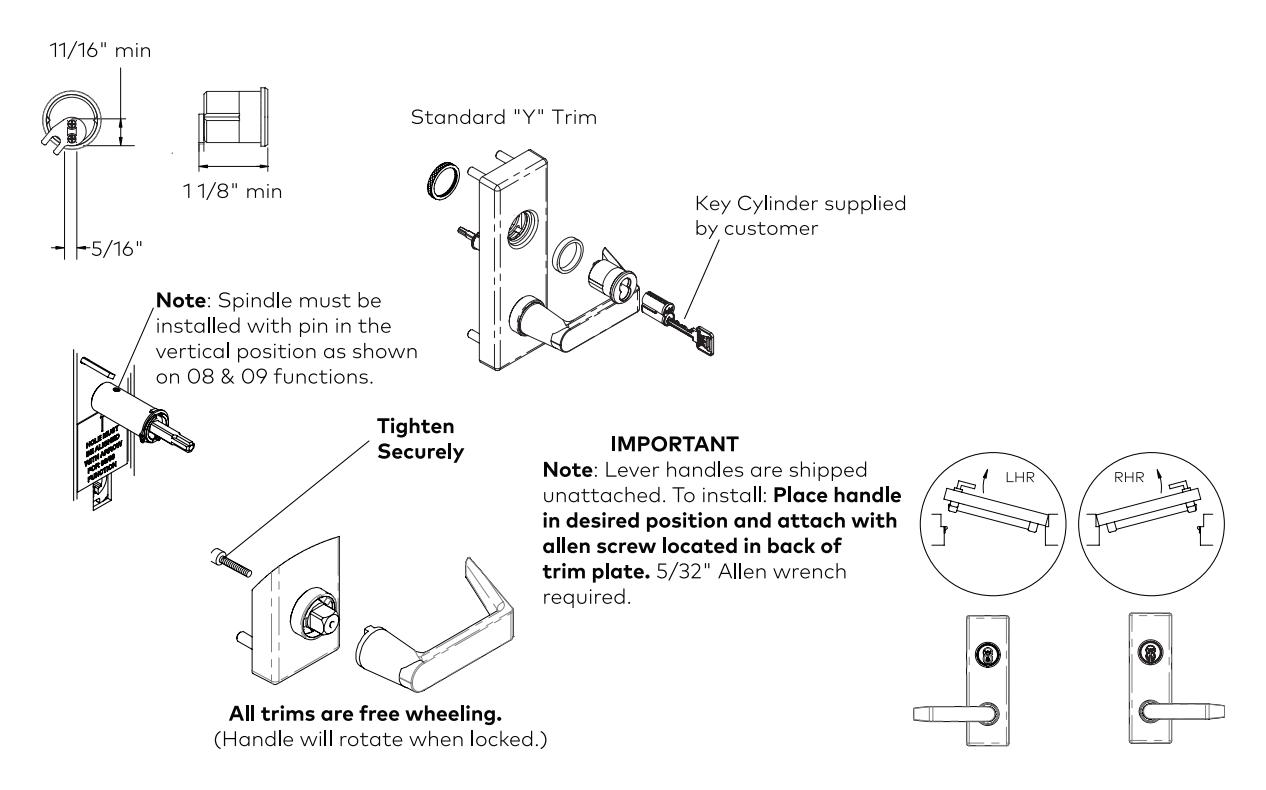
5 Secure chassis to door as in illustration below.
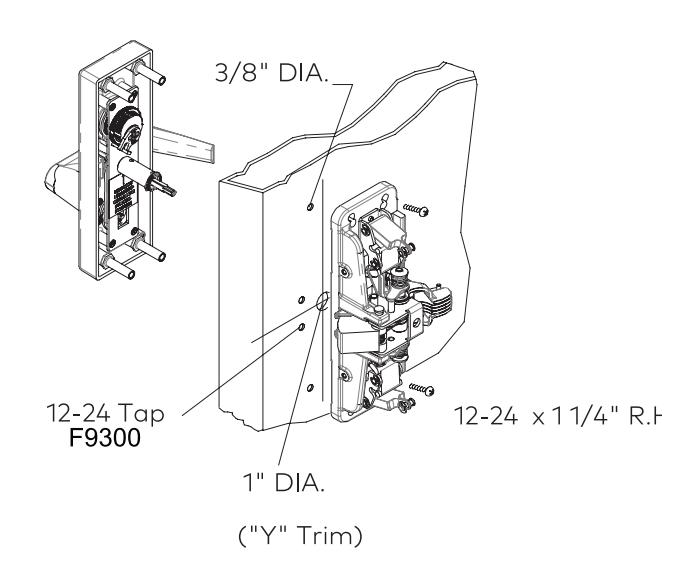
NOTE: Type 4 Electronic Trim requires a 24V Power Supply. Recommend dormakaba 469-100 Power Supply (P/N 95047053).
6 Install strike as in illustration below using proper fasteners.
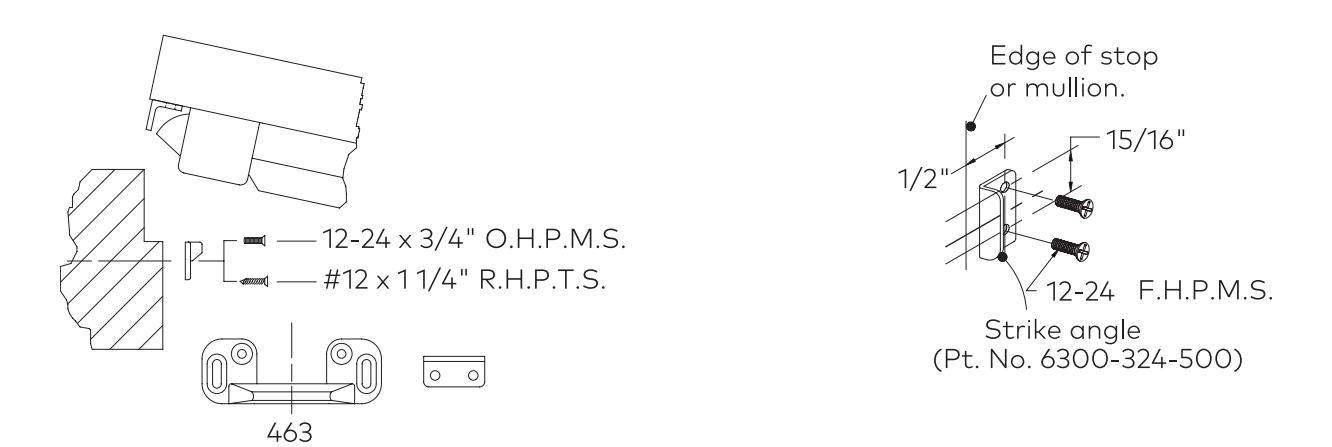
NOTE: Prepare to install touch and rail on door.
NOTE: All dimensions are based on 5/8" stop height. Verify strikes, stile width, any trim, and stop height prior to making any cuts. If cutting is required follow instructions below.
Fits 36" door opening without cutting. Covers may interfere with strikes if less.
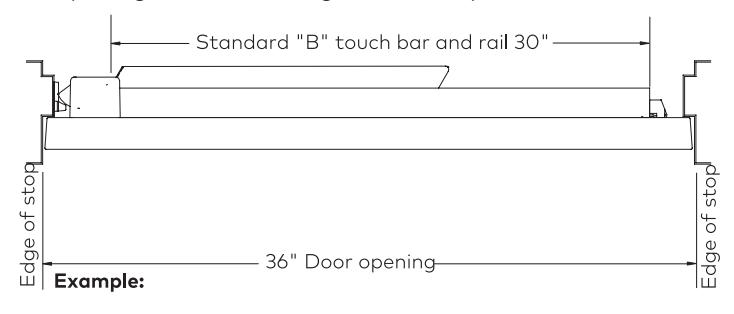
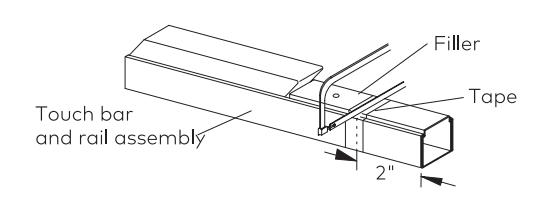
WARNING: If door is cut to 34" or less, covers may interfere with strike. Additional adjustments may be required for desired/adequate clearance.
NOTE: Do not cut wires.
7 Install touch bar and rail assembly and end cap to door.
Remove two 8-32 screws from chassis, slide touch bar and rail assembly under rear of chassis.
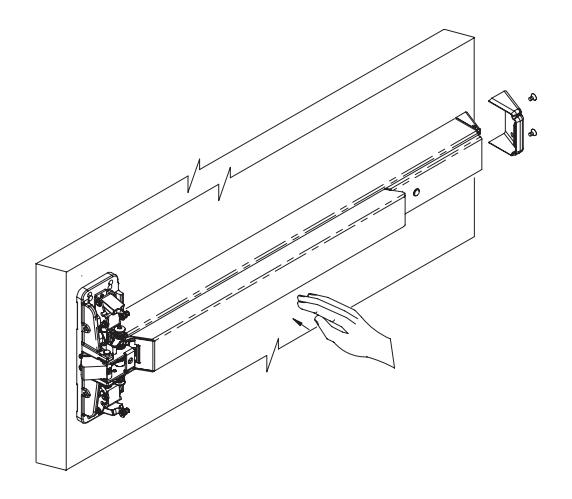
Remove protective covering from the touchbar and rail assembly prior to installing on door. Hold rear mounting bracket tightly against door and rear of rail. Assure Panic Bar is level, mark (2) holes and drill per chart. Secure with proper fasteners.
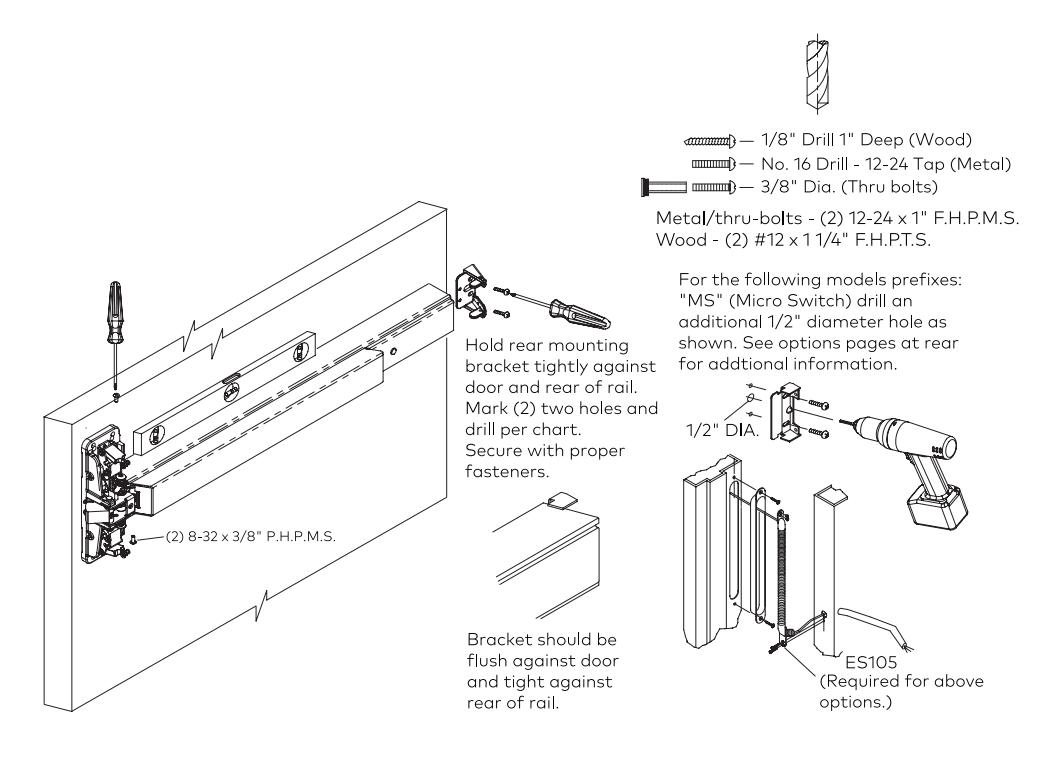
Install center case cover and end cap.
(6) 8-32 x 3/8" P.H.F.H.M.S. Start all (4) screws prior to tightening.
General Maintenance Notes
The dormakaba DKX Series Exit Devices are designed to give years of trouble-free service, however, depending on installation, location, climate conditions, etc., routine maintenance is recommended in all latch bolt locations. The device should be periodically cleaned and re-lubricated with Dura-Lube to ensure proper function of all moving parts.
Options
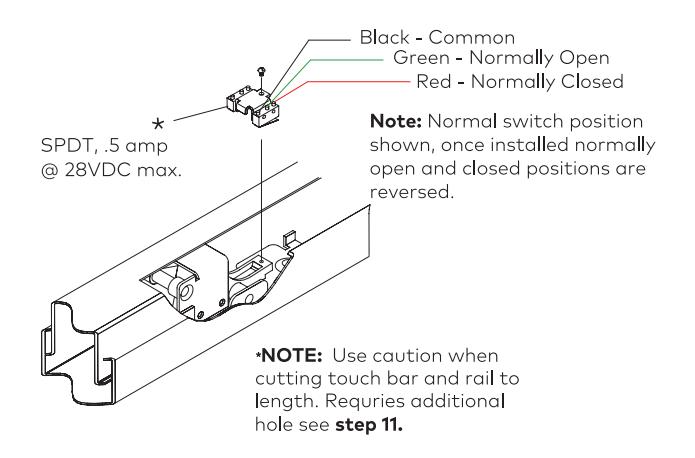
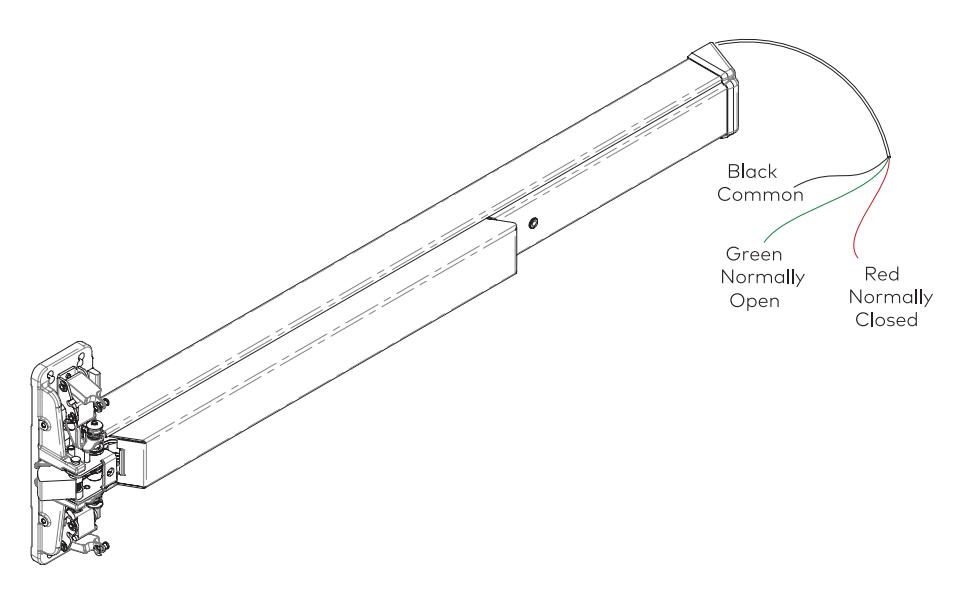
"MS" Micro Switch: Monitors movement of touch bar, or can be used to signal an external light, horn etc.
Located on the rear arm assembly as shown. Comes standard with (2) two micro switches. Both can be wired normally open or normally closed. On the standard 9000 series it can be added in the field by removing rear filler.
8 Install DKX Series Lock Strike
NOTE: It is recommeded to install the DKX Series Strike (Type 2) first, followed by the Lock installation, relative to
THE Strike.
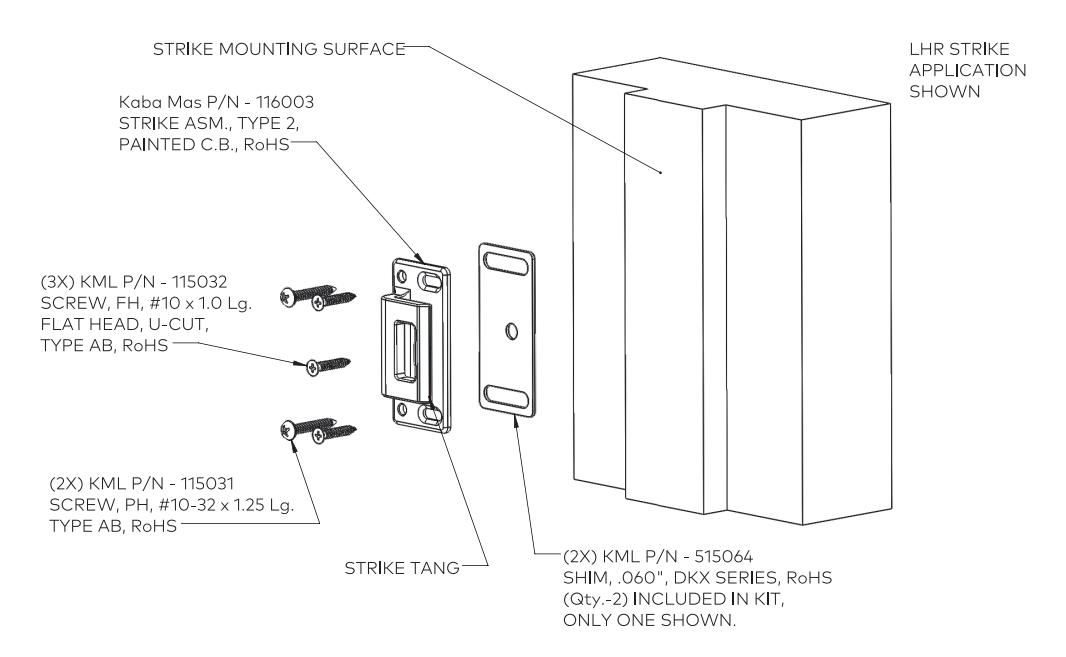
- 1. Locate the Strike horizontal centerline off of the Lock horizontal centerline, reference the Installation Template (546.0117), 9" above the Panic Bar horizontal centerline, and mark a horizontal line on the Strike mounting surface.
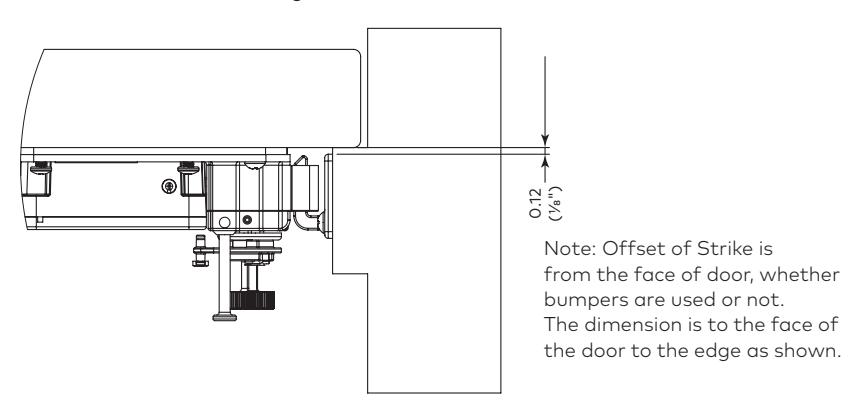
- 2. Position the Strike edge, 1/8"(.12") away from the face of the door while flat against the Strike mounting surface (Figure 3) centered on the horizontal centerline. The Qty.-2 Shims (515064) can be used for the .12" spacing, they are each .060" thick, two is .12").
- 3. Mark lines, and/or scribe the centers of the two slotted hole locations, mid slot. Now punch this center in preparation for drilling. Drill and tap the two slotted hole locations for attaching screws. (No. 25 drill, .149" diameter for the #10 thread forming screws. No. #21 drill, .159" diameter for the #10 machine screws).
Figure 3 - DKX Series Installation
4. Mount the Strike to the door jamb face using two (2) of the #10 flat head (115032) screws for the two (2) slotted holes.
9 High Security Pedestrian Door Lock Installation (DKX-10)
NOTE: Refer to S&G 2740B Installation Instructions when installing the DKX-19.
WARNING: The electronics in the X-10 are susceptible to damage from Electro-Static Discharge (ESD). Ensure proper grounding.
ALTERNATE METHOD: Depending on the width of the door, it may be easier to insert the non-flared end of the outer tube through the spindle hole from the inside of the container and feed the cables through the tube, and then seat the flared end of the tube on the tube retainer.
- 5. Place the 3.5" x 5 x 1/8" hard plate against the back of the DKX Series lock case assembly.
- 6. Feed the cables and outer tube through the 0.5" hole in the door while positioning the DKX-10 and hard plate against the door. Insert and slightly tighten two #10-32 screws nearest the strike opening (top and bottom) to attach the DKX-10 and hard plate to the door.
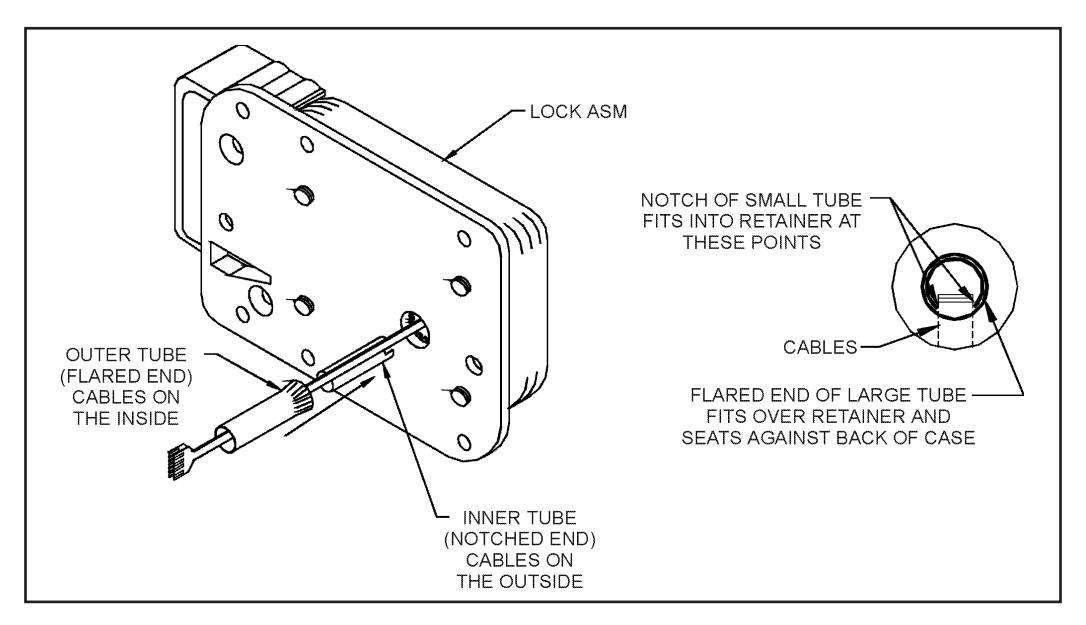
Figure 5 - Tube-Cable Assembly Relationships
HELPFUL HINT: If available, another inner tube inserted from the dial ring side, with the cables carefully fed through it, can be very helpful as a guide in feeding the cables through the container wall.
- 7. Loosely attach the lock case assembly to the container wall with two of the four mounting screws, placing them diagonally across from each other.
- 8. Tighten the lock case mounting screws to hold the lock case in place.
10 Cutting the Tubes
WARNING: The end of the large tube that is to be discarded must be from the plain (un-flared) end of the tube. The end of the small tube that is to be discarded must also be from the plain (un-notched) end of the tube.
- 1. Make sure that the outer tube is properly placed over the lock case tube retainer.
- 2. While holding the outer tube firmly in its seated position, use a 6" scale or ruler to measure 5/16" from the container wall and mark the outer tube at this length.
- 3. Remove the lock case assembly from the container and remove the outer tube for cutting.
- 4. Assemble the saw blade and wooden saw handle provided. To assemble the saw, grip the saw frame in a vise, just below the neck. Drive the handle fully onto the neck. This will reduce the tendency of the handle to turn on the saw frame when sawing.
NOTE: This saw is intended only for cutting the tubes. A standard hacksaw should be used to cut the spindle.
- 5. Insert the tube to be cut into the rubber vise clamp (provided), with the mark just beyond the clamp. Then firmly clamp the rubber vise clamp in a vise. Use the saw to cut the tube where marked. Be careful to keep the cut as straight as possible. Remember the saw only cuts when pushing. Trying to cut while pulling may pull the handle off of the saw blade.
- 6. The inside and outside of the tubes must be deburred after cutting. Use the stone which is provided for this purpose. Make sure there are no sharp edges on either tube inside and outside so as not to damage the cables.
- 7. Install the inner tube on the lock case. Feed the cables through the outer tube and install the outer tube on the lock case. Measure and mark the inner tube to be 1/16" to 1/8" longer than the outer tube. Remove the inner tube and cut by the same method as described in Step 5.
WARNING: The end of the outer tube that is to be discarded must be from the plain (un-flared) end of the tube. The end of the inner tube that is to be discarded must also be from the plain (un-notched) end of the tube.
11 Installation of the Lock
- 1. Place the inner tube into the lock case tube retainer. Ensure that the cutout in the tube aligns with the cables and allows the tube to seat completely in the tube retainer.
- 2. Feed the cables through the outer tube from the flared end. Seat the tube into position on the tube retainer on the back of the lock case assembly. Be careful to keep the cables pulled taut while seating the tube to avoid pinching and damaging them.
- 3. Refer to Figure 6. Feed the cables through the outer, larger, tube starting from the flared end of the tube. Seat the tube into position on the tube retainer on the back of the lock case assembly. Be careful to keep the cables pulled taut while seating the tube to avoid pinching damage to them.
ALTERNATE METHOD: Depending on the width of the door, it may be easier to insert the non-flared end of the outer tube through the spindle hole from the inside of the container and feed the cables through the tube, and then seat the flared end of the tube on the tube retainer. Inner and Outer Tubes

5. Feed the cables and outer tube through the .500" inch hole in the door while positioning the DKX-10 and hard plate against the door. Insert and tighten slightly two #10-32 screws nearest the strike opening (top and bottom) to attach the DKX-10 and hard plate to the door.
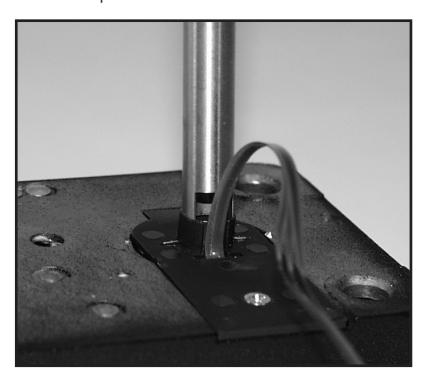
Seat Inner Tube in Retainer
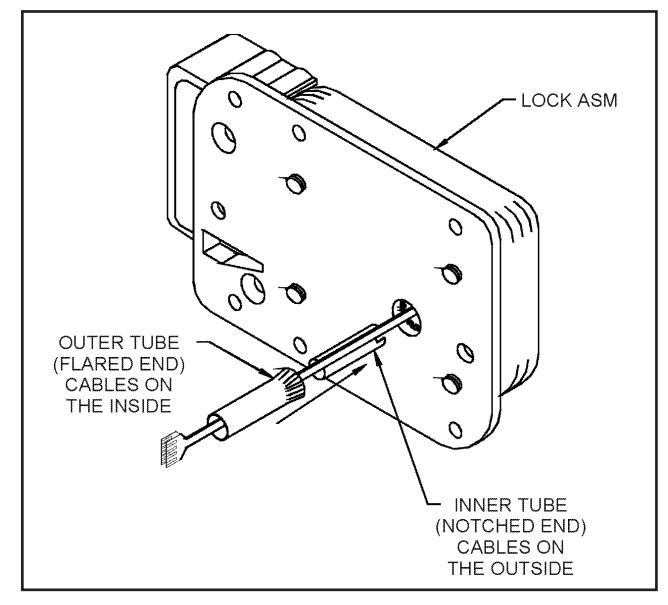
Figure 6 - Tube-Cable Assembly Relationships
HELPFUL HINT: If available, another inner tube inserted from the dial ring side, with the cables carefully fed through it, can be very helpful as a guide in feeding the cables through the container wall.
- 6. Loosely attach the lock case assembly to the container wall with two of the four mounting screws, placing them diagonally across from each other.
- 7. Verify that the lock case assembly is centered with respect to the Horizontal Reference centerline of the lock.
- 8. Tighten the lock case mounting screws to hold the lock case firmly in place.
12 Installation of the Dial Ring
1. Remove the two screws from the dial ring assembly cover and remove the cover.
NOTE: Make sure the tubes are projecting through the container. If not, the tubes are not seated properly in the lock or they were not cut to the proper length. Correct the problem before proceeding.
- 2. If necessary, rotate the tube retainer in the dial ring so that the cables come through the notch in the tube retainer.
- 3. Feed the cables through the tube retainer on the dial ring assembly and place the dial ring assembly over the end of the tubes. Make sure the tubes are seated in the tube retainer on the dial ring assembly.
- 4. Attach the dial ring to the container with the dial ring mounting screws and tighten to the specified torque.
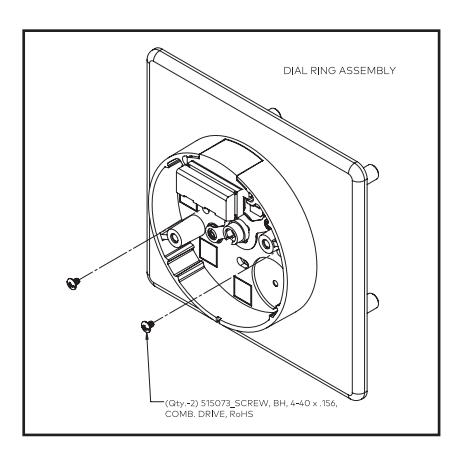
13 Installation of the Cables
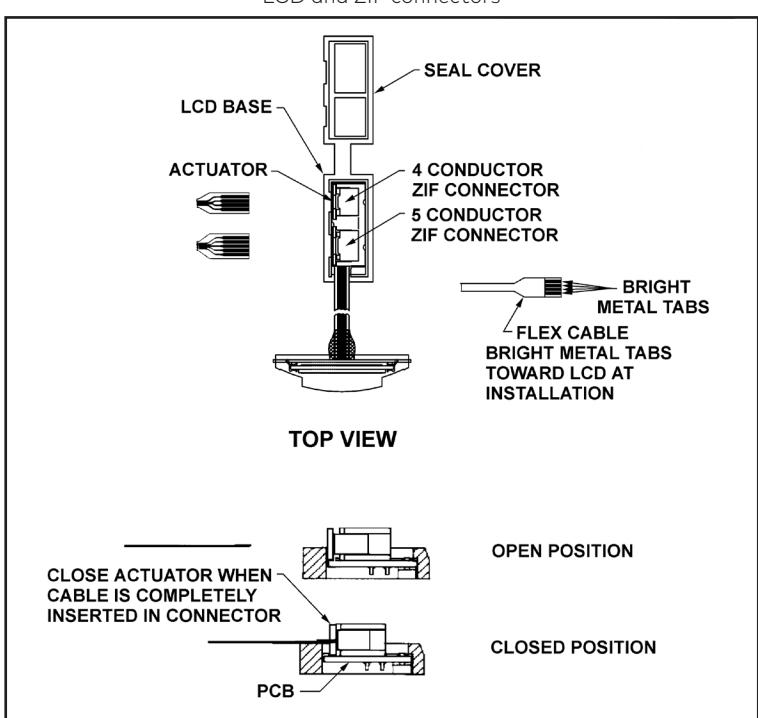
- 1. Open the ZIF (Zero Insertion Force) seal cover and move the ZIF connector locking actuators outward to their open position.
- 2. Plug the cables into the ZIF connectors with the bright metal tabs on the cables facing toward the circuit board to which the ZIF connectors are mounted. Push the cables into the connectors as far as they will go.
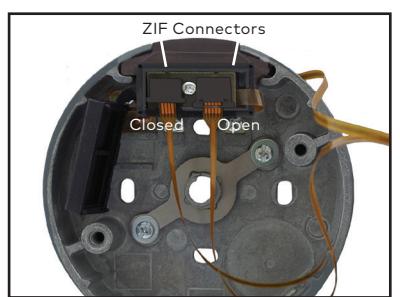
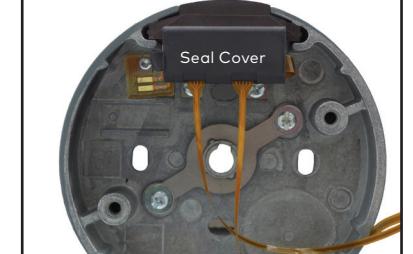
Closed & Open ZIF Connectors ZIF Seal Cover (shown closed)
- 3. Close the ZIF locking actuators to lock the cables in place.
- 4. Close the ZIF seal cover. When closing, be sure the tenons in the seal cover align with the holes in the coordinating piece of the seal cover.
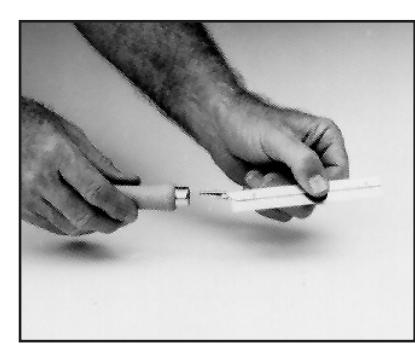
Assemble Saw
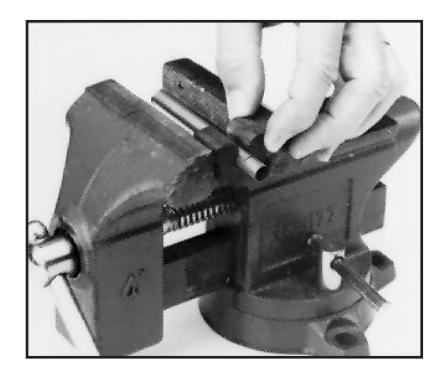
Cut Tube Using Vise
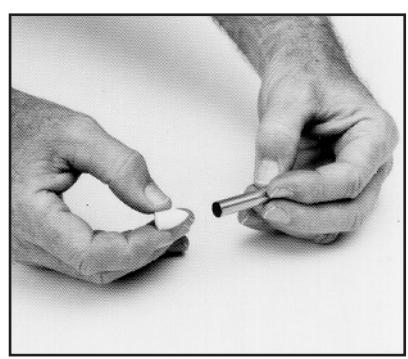
Deburr Tubes
LCD and ZIF connectors
14 Installation of Generator Cable and Cable Guides
- 1. Place the generator cable into the dial ring housing recess containing a post used for positioning the cable. The hole in the cable must be positioned over the post on the dial ring, and the five gold tabs must be exposed.
- 2. The Zebra connector and Zebra connector housing are assembled at the factory but may come apart during shipment. If so, insert the Zebra connector back into the Zebra connector housing before proceeding.
CAUTION: The Zebra connector is an electrical connector. Keep it clean!
- 3. Place the generator Zebra connector and connector housing assembly over the generator cable, and press it into the recess. The hole in the Zebra connector housing must be positioned over the post in the dial ring. Be sure that the black Zebra connector housing is positioned.
- 4. Install at least one of the stick-on cable guides in an appropriate position to restrain the cables.
- 5. Route the cables through the cable guide that was just installed.
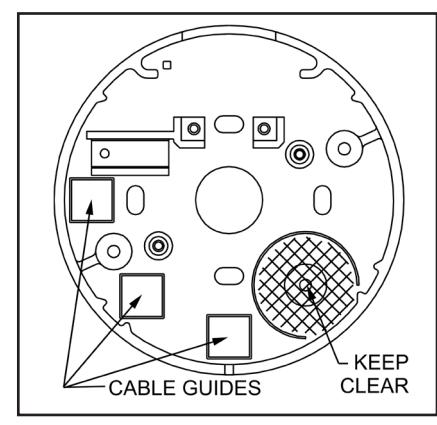
- 6. Depending on the thickness of the door, additional cable guides may be necessary to ensure the cables are sufficiently restrained. Install additional guides as needed, and route the LCD and generator cables through them to ensure that the cables do not get routed through the "KEEP CLEAR" area, over the Zebra connector, or near where the geared end of the dial hub will project through the dial ring cover.
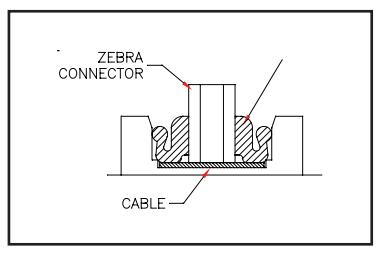
Zebra Assembly

15 Installation of the Dial Ring Cover
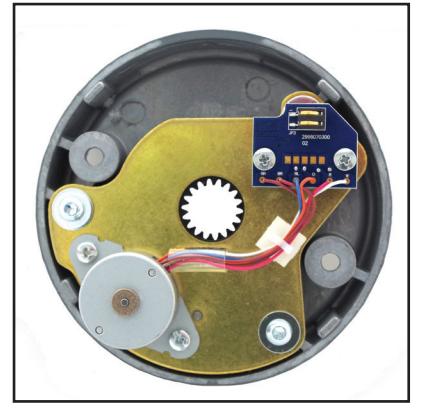
- 1. Align the dial ring cover with the dial ring so that the generator will seat into the five o'clock position and the four aligning lugs align with the corresponding slots in the dial ring.
- 2. Carefully slide the dial ring cover into the dial ring.
- 3. Hold the dial ring cover in place and tighten the two dial ring cover mounting screws to the specified torque.
16 Cutting and Installing the Spindle
- 1. Ensure that the lock bolt is extended and remove the cam from the lock case.
- 2. Slide the dial hub onto the spindle, turning the hub slightly to align the generator drive gear teeth. Hold the drive cam assembly in place while installing the dial hub.
- 3. Snug down one setscrew to hold the dial hub in place.
- 4. Mark the spindle flush to the dial hub.
- 5. Loosen the setscrew and remove the hub.
ALTERNATE METHOD: The hub may be left on instead of removed, and used as a vise to hold the spindle while cutting.
8. Carefully cut the spindle so that it will be flush to the dial hub after installation.
CAUTION: The spindle should not extend past the dial hub once installed but may be recessed up to 1/32" below the surface of the hub. If it extends past the dial hub, it must be filed to flush.
9. Remove all burrs from the end of the spindle.
17 Installation of the Dial Hub and Dial
- 1. Apply lubricant to the hub bearing surface.
- 2. While holding the drive cam and spindle in their proper positions in the lock case assembly inside the container, push the dial hub assembly onto the spindle.
- 3. Make a bend in the dial hub locating gauge at its midpoint. This will keep it from acting as a spring as the hub is positioned for locking to the spindle.
- 4. Place the Dial Hub Locating Gauge over the spindle and between the dial hub assembly and the bushing in the dial ring cover. This sets up an initial 0.010" end play.
- 5. Push the dial hub and the spindle assembly toward each other. While maintaining a constant pressure on them, SECURELY tighten the setscrews in the dial hub assembly to 17-20 inch-pounds of torque (a minimum of 1" deflection of the handle of the hex key). Tighten the inner setscrew first.
CAUTION: Tighten in a downward motion in case the hex key should break.
- 6.Remove the dial hub locating gauge.
- 7. Apply lubricant to the retaining ring on the dial hub assembly and position the retaining ring so that an equal amount of it is consistently exposed around the hub. Also apply grease from the lubricant tube to the entire ramp area just inside the
back of the dial and also to the inner surface of the 5-sided formed clutch spring within the dial.
NOTE: Ensure that the retaining ring gap is aligned with the setscrews and that an equal amount of the retaining ring is exposed around the hub so the dial can slide easily into place on the hub without interference from the retaining ring.
- 8. Ensure that the 5-sided flat spring is fully recessed in the dial with the spring gap aligned with the internal key of the dial.
- 9. Carefully align the dial assembly so that the 5-sided formed spring matches the flats of the dial hub assembly. Holding the dial square to the spindle, apply pressure to the dial until the retaining ring seats in the dial.
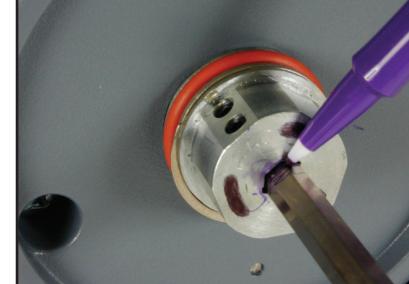
Mark Spindle Flush to Hub
NOTE: The dial should not be able to be pulled away from the dial hub assembly. The dial clutch should provide a slip torque of 7 to 25 inch-pounds.
- 2. Verify the operation of the lock as described on the following page under InstallatIon CompletIon ChecklIst.
- 3. Check the operation of the lock by verifying the following:
- Ensure that the dial turns freely without scraping or binding.
- Ensure that all screws have been securely tightened.
- Dial the combination (it has been factory set to 50-LEFT, 25-RIGHT, 50-LEFT). The lock should dial freely without scraping or rubbing and should open when the correct combination has been dialed.
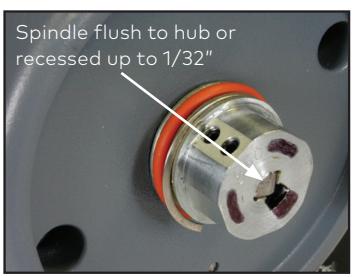
Spindle Flush or Recessed Apply Lubricant to Hub Place Gauge Between Dial Hub
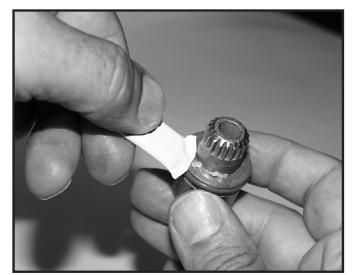
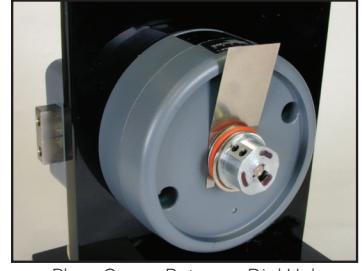
& Bushing
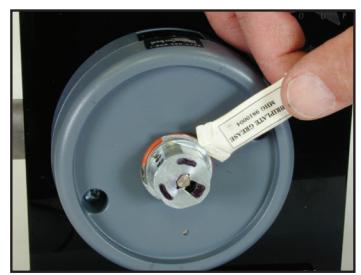
Apply Lubricant to Ret. Ring
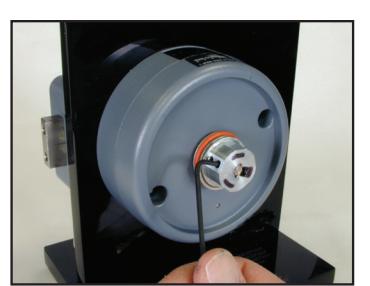
Tighten Setscrews
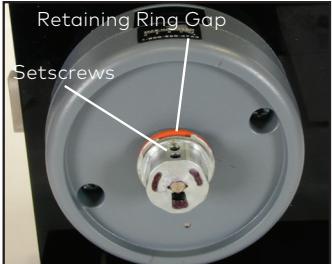
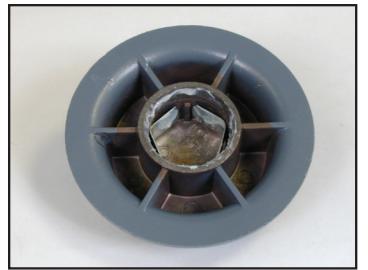
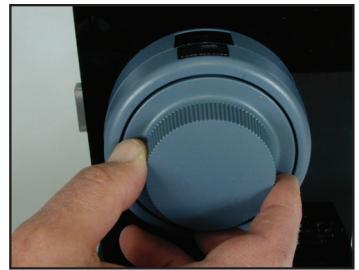
Align Retaining Ring 5-Sided Flat Spring in Dial Apply Pressure to Dial
Interface Hardware (DKX-10 and DKX-19)
Cable Assemblies
These steps idescribe how to attach the rod end connector (515040 or 515029) and stainless steel mechanical cable assembly (116036) to the lock and Rim Exit Device chassis. It also describes how to connect the cable assembly, and adjusting the cable length to achieve proper timing of the high security lock bolt retraction relative to the Rim Exit Device latchbolt.
18 Install Knob Lever Assembly
- 1. With the DKX Lock Assembly and the Cover Bracket_ (515054) successfully installed, the Knob Lever Assembly must be attached.
- 2. Align the "Double D" Hole in the Knob Lever_ (515027) with the "Double D" protrusion on the Knob Assembly_ (116035) , and push the Lever Knob_ (515027) onto the Knob Assembly_ (116035) .
- 3. Align the Screw Hole in the Manual Knob_ (515043) with the hole in the Knob Lever_ (515027) , and hold into slotted position.
- 4. Place the provided Screw_ (515044) through the Hole in the Manual Knob_ (515043) and screw the full Assembly into position. Tighten to a minimum of 15 in.-lbs.
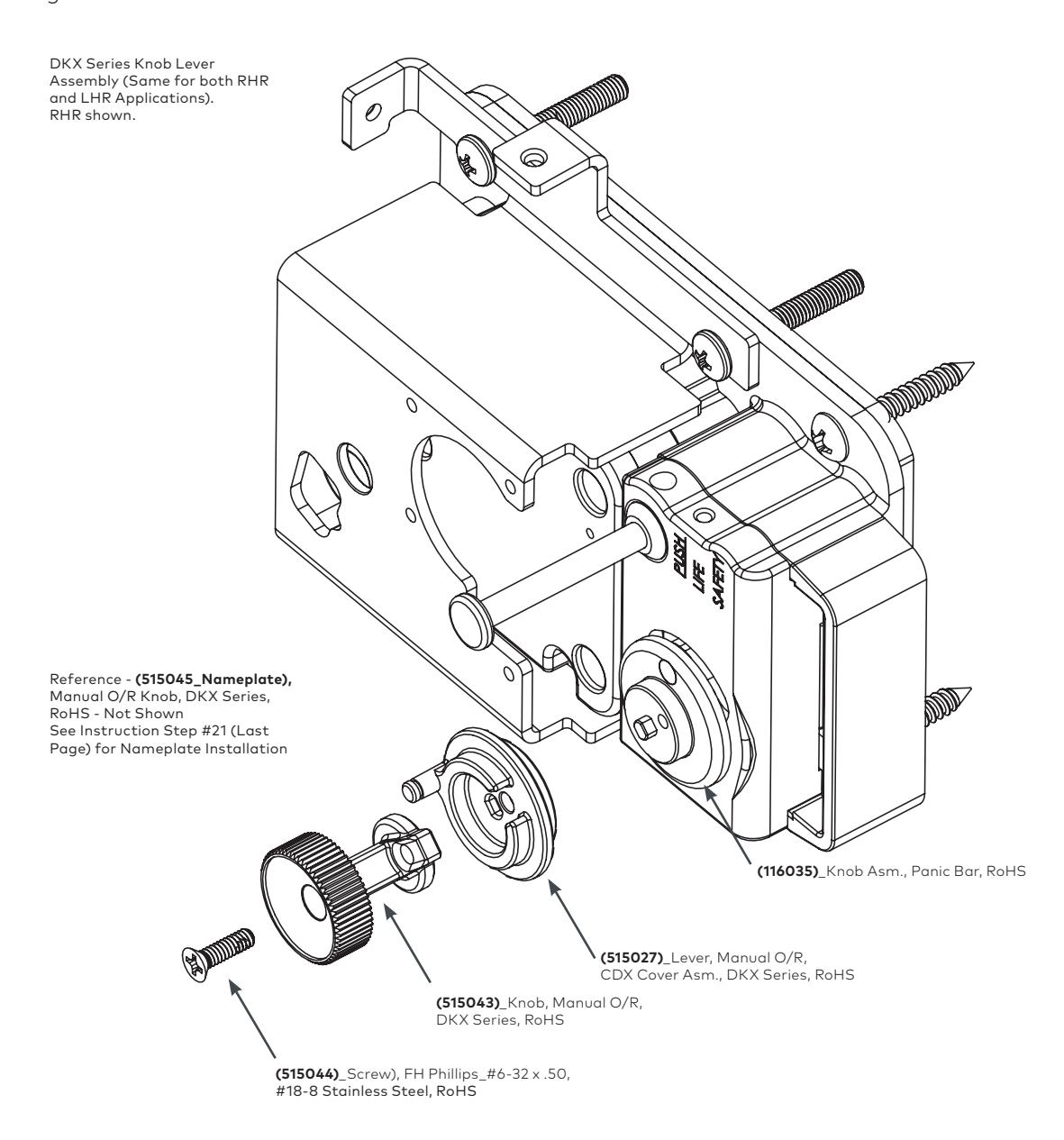
Figure 6
19 Install Lock Cable Assembly
1. Ensure correct assembly of the Rod End Connector (515040 or 515029) , Jamb Nut (115123) and Cable Assembly (116036) .
NOTE: Do not tighten the Jamb Nut Down on the Connector Rod until the optimum timing is achieved in opening the DKX-10 or DKX-19 high security lock
- 2. Attach this subassembly to the Cam Lever (515027) with the Retaining Clip (515041) .
- 3. Refer to Figure 7 or Figure 8 depending on the handing of the installation. Use lubricant (9810004) to adequately grease all moving parts. on both RHR and LHR cable/cam and levers. A generous application of grease will service the best.
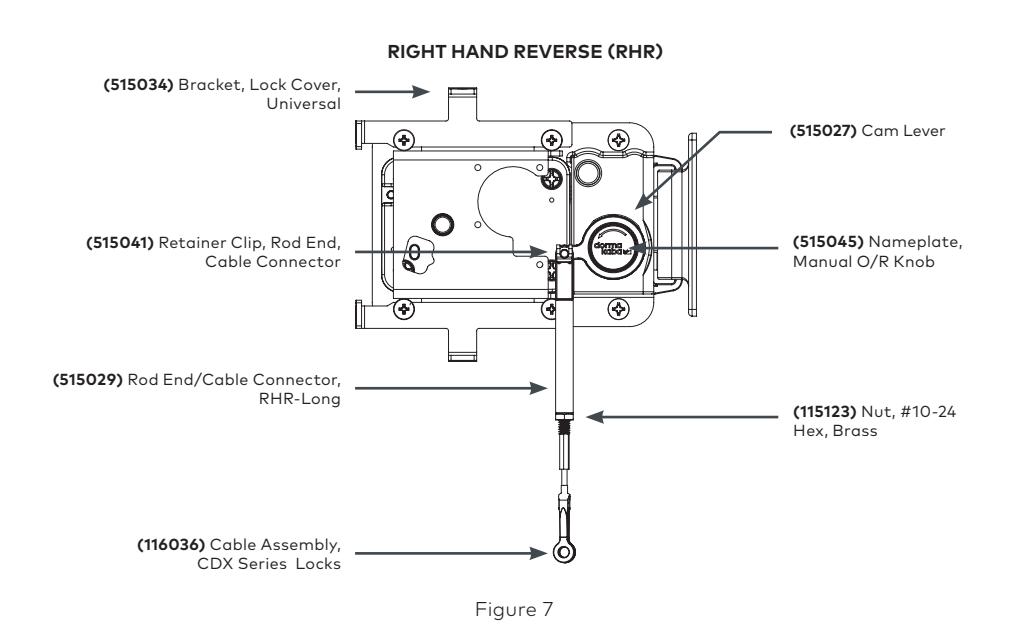
Figure 8 (RHR Application Shown)
(515034) Bracket, Lock Cover, Universal (515041) Retainer Clip, Rod End, Cable Connector (515040) Rod End/Cable Connector, LHR-Short (514030) Cam Plate Assembly, LHR Only, Cover Bracket (515035) Cam Lever, Cam Plate Assembly, LHR DXK Series, RoHS (115123) Nut, #10-24, Hex Brass (116036) Cable Assembly, CDX Series Locks (515045) Nameplate, Manual O/R Knob LEFT HAND REVERSE (LHR) Figure 8 (515027) Cam Lever
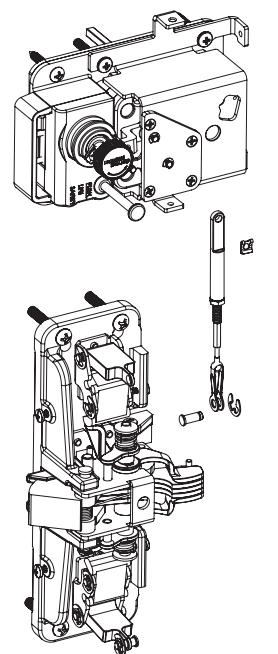
Figure 8 (LHR Application Shown)
Install Cable Assembly
- 1. Locate the cable assembly (514040) , which has a strap fork (Clevis) secured by a ball and shank on one end and a brass threaded (#10-24) plug with a brass nut (115123) on the other end.
- 2. Refer to Figure 7 or Figure 8 depending on the handing of the installation. Spread the (Clevis) strap fork over the upper Lever Arm (DK9300-020-520) of the Rim Exit Device chassis and align the strap fork holes with the hole in the (Clevis).
3. Secure the (Clevis) strap fork to the Lever Arm (DK9300-020-520) Pivot Pin (6400-127-400) and the "C"-Clip (337-110) . When the correct timing is achieved, tighten the Lock Nut (115123) down on the Connector Rod (515040) , see next instruction.
Connect Cable Assemblies
- 1. Refer to Figure 9 or Figure 10 depending on the handing of the installation. Move the brass jamb nut (115123) away from the open end of the brass threaded plug on the cable assembly (116036) . Turn the brass threaded plug into the turnbuckle on the lock cable assembly until approximately half of the threaded plug is inside the turnbuckle.
- 2. DO NOT tighten the brass nut on the threaded plug at this time.
Adjust Cable Length
The effective cable length may be changed by turning the brass threaded plug into and out of the turnbuckle. The cable length must be adjusted so that as the push bar of the Rim Exit Device is depressed, the DKX Series bolt is fully retracted and latched back just before the Rim Exit Device latch bolt clears its strike. Refer to Figure 9 and Figure 10 in preparation for adjusting the cable length. The proper sequence of adjustment is:
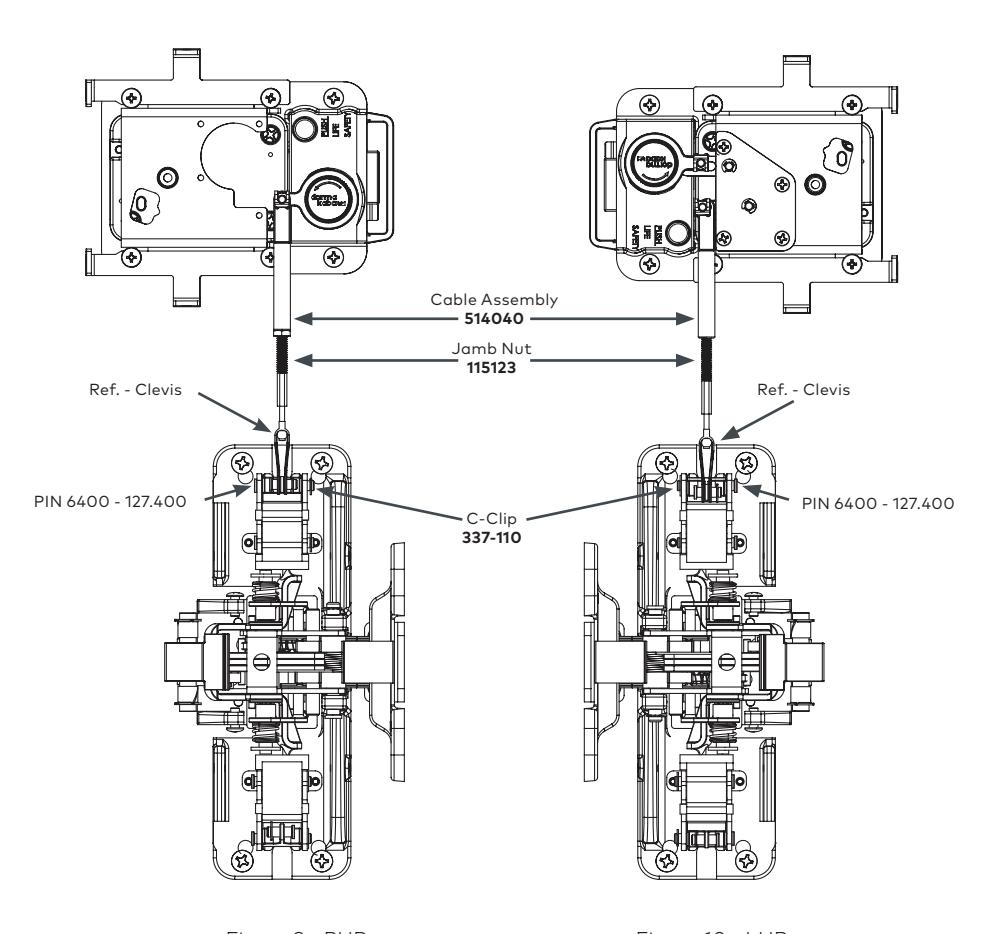
Figure 9 - RHR Figure 10 - LHR
- 1. With the door open, slowly depress the push bar and determine if the DKX Series bolt retracts and latches back prior to maximum depression of the push bar. If the DKX Series bolt does not retract and latch back, slightly shorten cable and recheck.
- 2. Close the door and slowly depress the push bar until the Rim Exit Device latch bolt just clears its strike. Check to see if the DKX Series bolt is fully retracted and latched back at this point.
If not fully retracted and latched back: Shorten the cable length until the DKX Series bolt retracts and latches back just before the Rim Exit Device latch bolt clears its strike.
If fully retracted and latched back: With the door open, depress the push bar until the DKX Series bolt retracts and latches back. Depress the DKX Series bolt reset latch to allow the DKX Series bolt to extend. Check to see if the pulley restores clockwise sufficiently to prevent the DKX Series bolt from being pushed back. (A thin-blade screwdriver may be inserted between the end of the bolt and the bolt guard for the purpose of pushing back on the bolt.) If the DKX Series bolt can be pushed back, slightly increase the cable length and recheck the DKX Series bolt latching status by following the directions in Step 2 above.
- 3. Finger tighten nut. Then using wrench tighten down nut 1/8-1/4 turn max (30-40 in-lb). Do not exceed 50 in-lb, may result in failure.
- 4. Adjust the DKX Series strike so that the throat of the strike has minimum clearance of the bolt guard when the door is contacting the jamb.
-
5. Assuring no load on the DKX Bolt, from the strike (there should be no touching of the bolt against the strike), mark and transfer punch the remaining (3) screw locations for the DKX Series strike. Then install the remaining (3) screws. Ensure proper and correct function/location of both lock systems.
- Ref. (2) #10 pan head screws (115031), and the (1) #10 flat head screw are remaining.
- 6. Again, ensure proper function of all lock systems before continuation of cover installation.
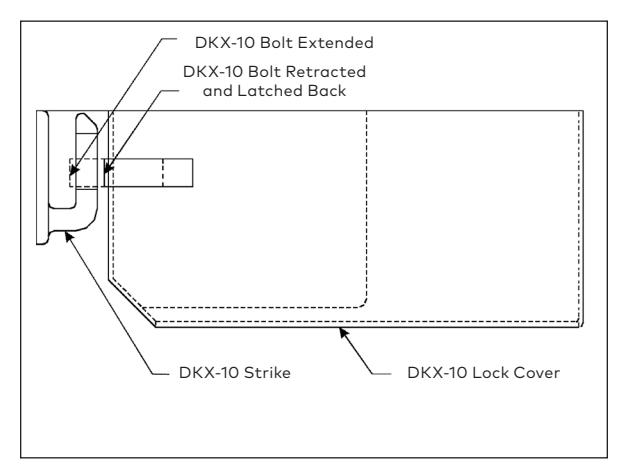
Figure 11 - Position of DKX-10 Bolt Fully Retracted and Latched Back (Top View LHR Shown)
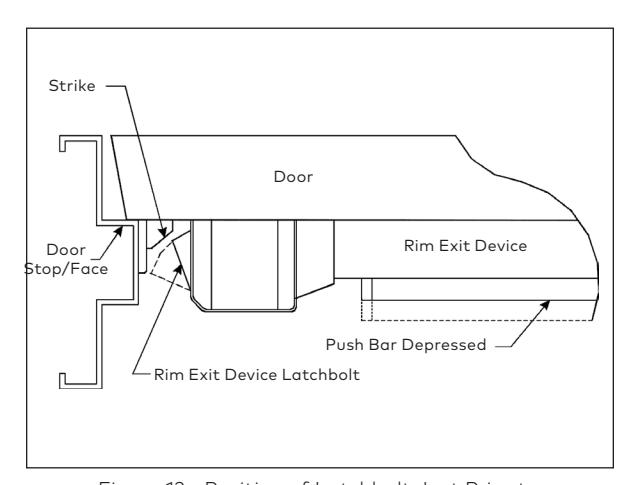
Figure 12 - Position of Latchbolt Just Prior to Clearing Strike (Top View LHR Shown)
Covers
20 Install Chassis Cover
- 1. Locate the chassis cover and plastic cover insert.
- 2. Orient the chassis cover as it will be installed, based on door handing, and slide the plastic cover insert into the bottom of the chassis cover.
- 3. Position the chassis cover over the Rim Exit Device, aligning the cover cutouts to fit over the chassis. Locate the cover flush to the surface of the door and bias the cover away from the door edge.
- 4. Secure the chassis cover to the Rim Exit Device chassis using four (4) #8-32 x 5/16" PHMS (105034) screws.
21 Install Lock Cover
- 1. Locate the correct lock cover based on door handing. (Both a RHR and a LHR lock cover are included in the Rim Exit Device box.)
- 2. Position the lock cover over the lock cover mounting brackets. Locate the cover flush to the surface of the door and bias the cover away from the door edge.
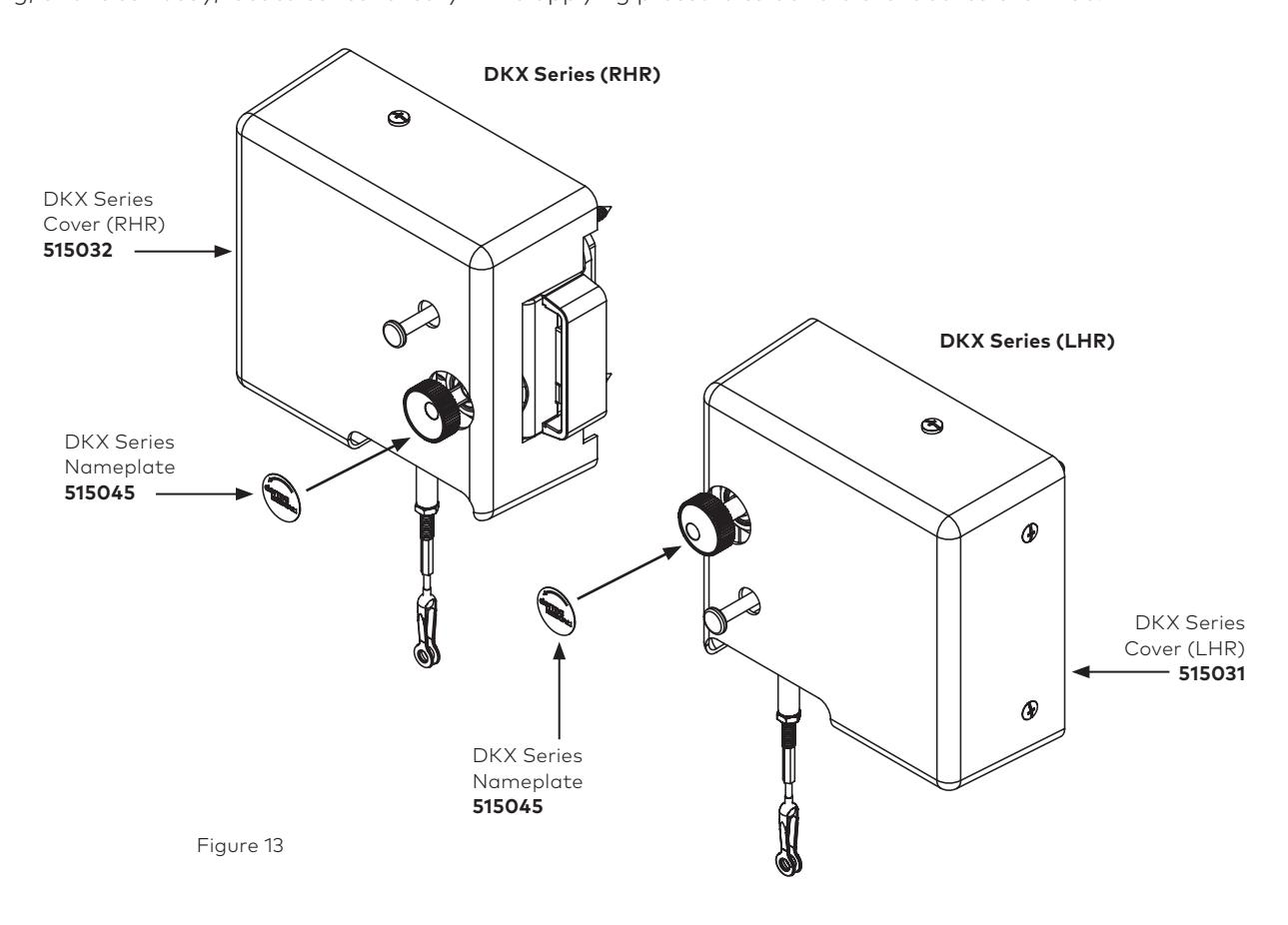
- 3. Secure the lock cover to the lock cover mounting brackets using four (4) #8-32 x 5/16" PHMS (105034) screws. See Figure 13.
21 Install Manual O/R Knob Label
Upon completion of the DKX Lock and Exit Device installation, acquire KML P/N 515045 Nameplate Label. Remove paper backing, orient correctly, locate concentrically while applying pressure to adhere the label to the knob.
Maintenance
The DKX lock systems are designed to provide years of trouble free service. However, depending on installation environment, climate conditions and alike, routine maintenance is recommended in all latch bolt locations. The device should be cleaned periodically and re-lubricated with Dura-Lube and the cable adjusted if necessary to insure proper operation of all functional parts.
9000 SERIES ELECTRIC TRIM INSTRUCTIONS
Specifications
Requires Dorma ES-100 Power Supply. (Use largest wire possible when wiring power supply and trim.) Power supply will handle two (2) pieces of electric trim. Supplies 4 amp in-rush.
NOTE: This product requires 24VDC.
All electric trim is "09" function. Key removable only when locked. Continuous Duty .15 amp hold @ 24VDC.
LFSC - Electric Unlock Fail Secure See next page for typical wiring diagram.
LFSF - Electric Lock Fail Safe Use caution during installation so wires do not get pinched. (See details below.)
(Must be ordered per function from factory.)
NOTE: Ref. Template T-9021 for door prep.
| Wire Gauge Chart (AWG) • Distance in feet for 2 conductors from power source to the locking device | |||||||||||
|---|---|---|---|---|---|---|---|---|---|---|---|
| AMPS | 25 | 50 | 75 | 100 | 150 | 200 | 250 | 300 | 400 | 500 | 1000 |
| .25 | 18 | 18 | 18 | 18 | 18 | 18 | 18 | 18 | 18 | 16 | 16 |
| .50 | 18 | 18 | 18 | 18 | 18 | 18 | 18 | 16 | 16 | 14 | |
| .75 | 18 | 18 | 18 | 18 | 18 | 16 | 16 | 14 | 14 | ||
| 1.00 | 18 | 18 | 18 | 18 | 16 | 16 | 14 | 14 | |||
| 1.50 | 18 | 18 | 18 | 16 | 16 | 14 | |||||
| 2.00 | 18 | 18 | 16 | 16 | 14 | ||||||
| 2.50 | 18 | 18 | 16 | 14 | Minimum Wire Gauge | ||||||
| 3.00 | 18 | 16 | 14 | 14 | for 24V AC/DC | ||||||
| 3.50 | 18 | 16 | 14 | ||||||||
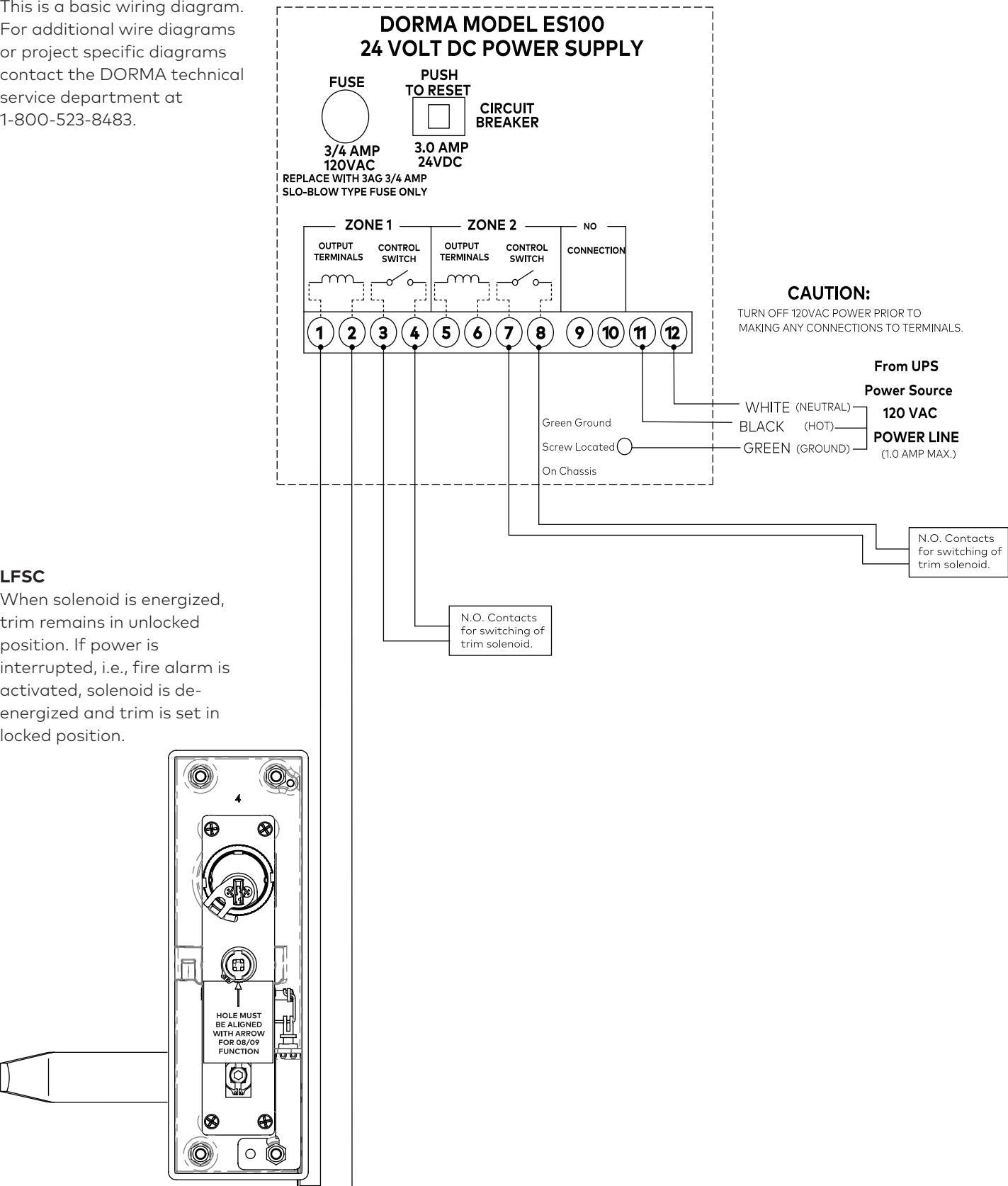
LFSC
When solenoid is energized, trim remains in unlocked position. If power is interrupted, i.e., fire alarm is activated, solenoid is de-energized and trim is set in locked position.
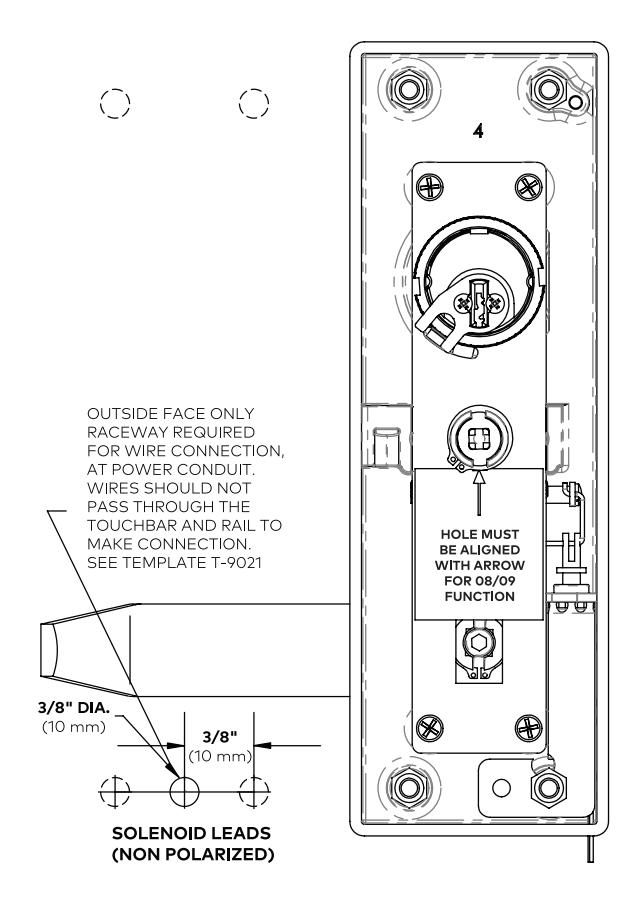
TYPICAL WIRING INSTRUCTIONS
9000 SERIES ELECTRIC TRIM
This is a basic wiring diagram. For additional wire diagrams or project specific diagrams contact the DORMA technical service department at 1-800-523-8483.
LFSC
RHR Shown
(LHR Opposite)
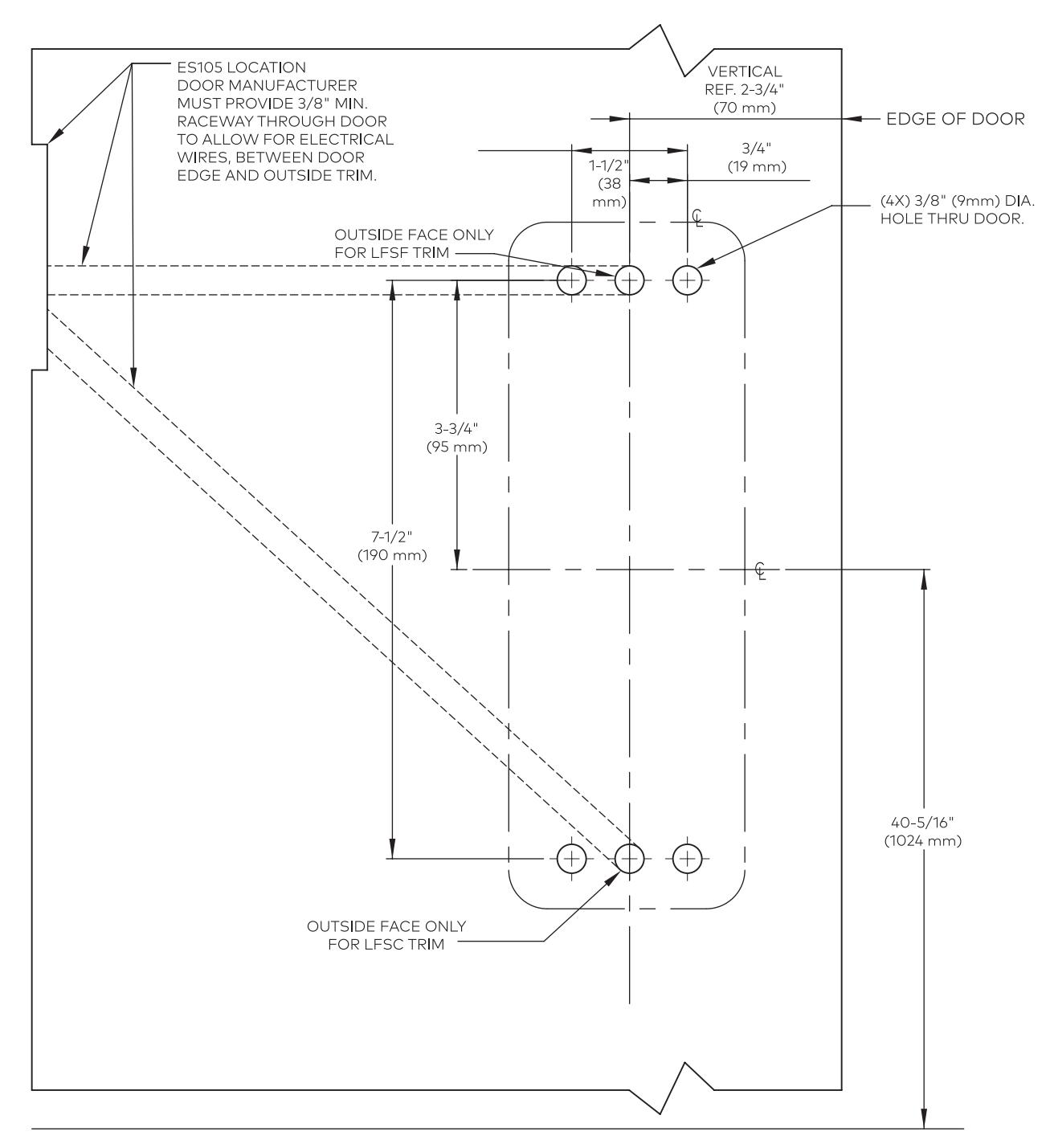
LFSC or LFSF Function Additional Raceway Prep
NOTES
Kaba Mas LLC 1051 Newtown Pike, Ste. 150
T: 859 479 1329 F: 859 303 8993
Lexington KY 40511