BEST Mechanical Locks 7KC Series Service Manual
Open the original PDF document
View PDF
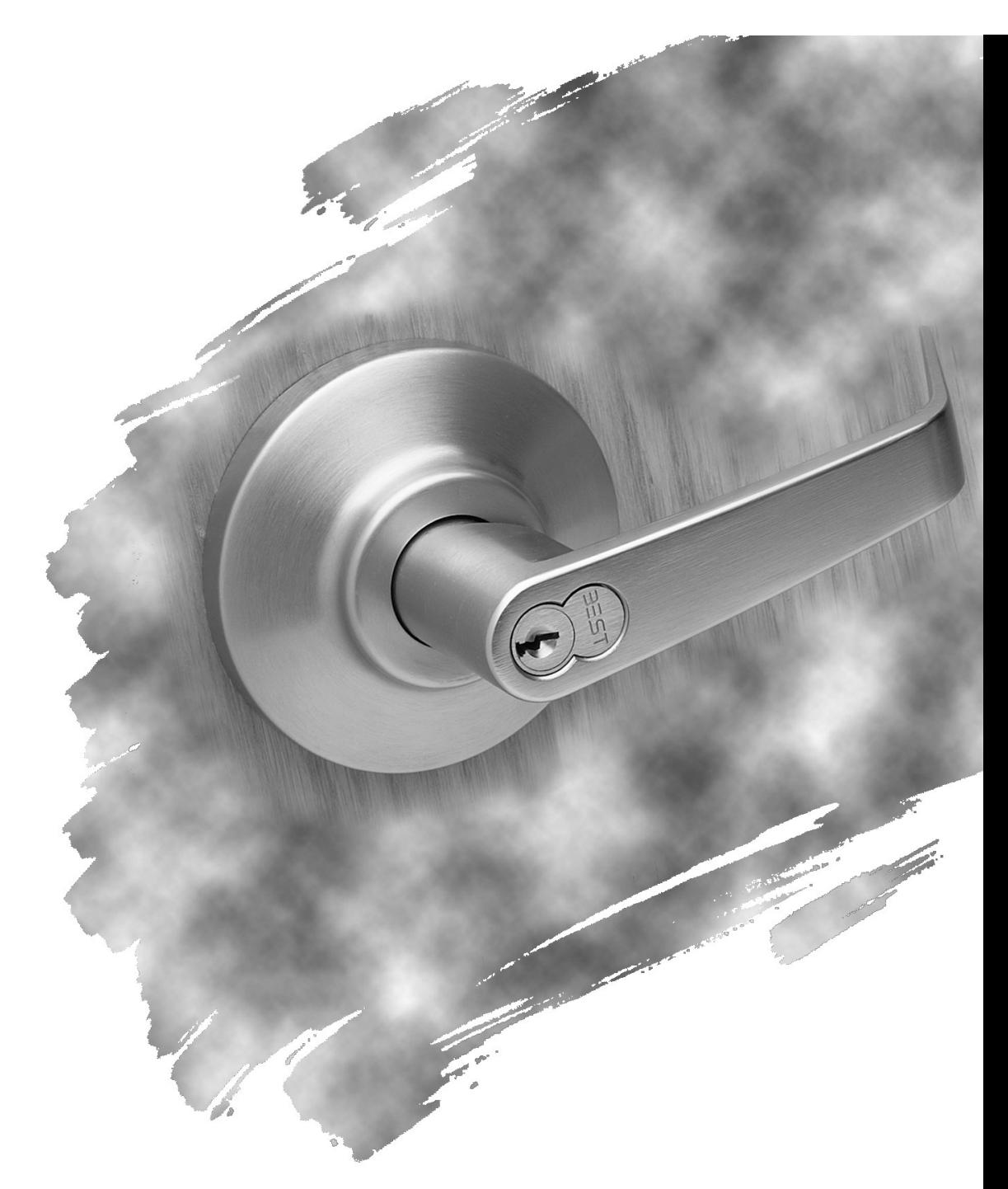
7KC SERIES
SERVICE MANUAL

CREDITS/COPYRIGHT
Copyright © 2000–2004 Stanley Security Solutions, Inc. and Stanley Logistics, Inc. All rights reserved. Printed in the United States of America.
Information in this document is subject to change without notice and does not represent a commitment on the part of Stanley Security Solutions, Inc. The software described in this document are furnished under a license agreement or nondisclosure agreement.
This publication is intended to be an accurate description and set of instructions pertaining to its subject matter. However, as with any publication of this complexity, errors or omissions are possible. Please call your BEST® distributor or Stanley Security Solutions, Inc., Best Access Systems at (317) 849-2250 if you see any errors or have any questions. No part of this manual and/or databases may be reproduced or transmitted in any form or by any means, electronic or mechanical, including photocopying, recording, or information storage and retrieval systems, for any purpose, without the express written permission of Stanley Security Solutions, Inc.
This document is distributed as is, without warranty of any kind, either express or implied, respecting the contents of this book, including but not limited to implied warranties for the publication's quality, performance, merchantability, or fitness for any particular purpose. Neither Stanley Security Solutions, Inc., nor its dealers or distributors shall be liable to the user or any other person or entity with respect to any liability, loss, or damage caused or alleged to be caused directly or indirectly by this publication.
Written and designed by Stanley Security Solutions, Inc. and Avalon Group, Inc., Indianapolis, Indiana.
T80621 Rev B 1832441 ER7991-6 November 2004
CONTENTS
GETTING STARTED 1–1
FIGURES V
Introduction 1–1 Certifications and standards 1–1 Documentation package 1–2 Technical support 1–3 Support services 1–3 Telephone technical support 1–3 FUNCTIONS AND PARTS LISTS 2–1 Function descriptions 2–2 Single-keyed functions 2–2 Non-keyed functions 2–3 Functions by ANSI designation 2–3 AB function chassis and trim—entrance lock (ANSI F109) 2–4 Trim parts 2–5 Strikes and strike boxes 2–5 Roses 2–6 Buttons 2–6 Standard levers and throw member 2–7 Non-interchangeable lever and cylinders 2–8 Latches 2–9 Installation tools 2–10
SERVICE AND MAINTENANCE 3–1
Replacing parts 3–2
    Replacing the lever 3–2
    Replacing the inside rose 3–5
    Replacing the outside rose 3–6
    Replacing the button assembly 3–8
Lubricating the cores 3–10
Aligning the chassis and trim 3–11
Troubleshooting 3–12
INSTALLATION INSTRUCTIONS A–1
Position template 1–3
Bore two holes and install latch 1–3
Install boring jig and drill two 5/16" diameter holes 1–3
Adjust lock to door thickness 1–3
Engage retractor in latch 1–4
Install liner, rose, and lever 1–4
Install strike plate 1–4
Install core 1–4
INDEX B–1
FIGURES
FUNCTIONS AND PARTS LISTS
Understanding function drawings 2–2 Strikes and strike boxes 2–5 Roses 2–6 Buttons 2–6 Throw member 2–8 #15 Keyed lever for non-interchangeable cylinders 2 –8 Latches 2 –9
SERVICE AND MAINTENANCE
Removing the keyed lever 3–2 Removing the plain lever or button lever 3 –3 Reinstalling the lever (keyed lever shown) 3 –4 Removing the inside rose with the screwdriver 3 –5 Reinstalling the inside rose and rose liner 3 –6 Removing the outside rose 3–7 Reinstalling the outside rose 3–7 Engaging the retractor in the latch 3 –8 Removing the button assembly 3–9 Inserting the button assembly into the sleeve 3 –9 Engaging the retractor in the latch 3 –11 Adjusting the outside rose and liner assembly 3–12
1 GETTING STARTED
INTRODUCTION
The 7KC Series Service Manual contains essential information to help you maintain your 7KC Series Lock.
CERTIFICATIONS AND STANDARDS
- The product complies with ANSI A156.2, Series 4000 Grade 2 standards; California Administrative Code Title 19 and Title 24; Illinois Accessibility Standard.
- The locks are listed by Underwriter's Laboratories for use on 3 Hr., A label single swinging doors (4¥ x 8¥).
- The 6KS2 and 6KS3 strike fits the standard door frame cutout as specified in ANSI A115.2.
DOCUMENTATION PACKAGE
The following documentation is available to help you with the installation, start-up, and maintenance of your 7KC Series Lock.
The installation and assembly instructions also can be ordered separately:
| Document Title |
Doc.
No. |
|---|---|
| Installation Instructions for 72KC–75KC Cylindrical Locks† | T80622 |
|
Installation Instructions for 72KC–75KC OEM Key-in-Knob cylinders
(provided by others) |
T80628 |
|
Installation Instructions for 72KC–75KC Key-in-Knob cylinders
(provided by BEST) |
T81196 |
|
Installation Instructions for 7KC 1DT and 9K 1DT/2DT Dummy Trim
Assemblies |
T56076 |
† These installation instructions are included in this manual. See Installation Instructions on page A–1.
The templates required for lock installations also can be ordered separately:
| Document Title |
Doc.
No. |
|---|---|
|
K08 Template for Door and Frame Preparation for 63K, 73KC, 83K,
93K Cylindrical Locks with Small (STK) Strike |
T56052 |
|
K09 Template for Door and Frame Preparation for 63K, 73KC, 83K,
93K Cylindrical Locks with Large (S3) Strike |
T56053 |
|
K10 Template for Door and Frame Preparation for 64K, 74KC, 84K,
94K Cylindrical Locks with Small (STK) Strike |
T56054 |
|
K11 Template for Door and Frame Preparation for 64K, 74KC, 84K,
94K Cylindrical Locks with Large (S3) Strike |
T56055 |
|
K12 Template for Door Frame Preparation for 65K, 75KC, 85K, 95K
Cylindrical Locks with Small (STK) Strike |
T56056 |
|
K13 Template for Door Frame Preparation for 65K, 75KC, 85K, 95K
Cylindrical Locks with Large (S3) Strike |
T56057 |
| K18 Template for 7KC, 8K, 9K Dummy Trim | T56059 |
|
K21 Template for Strike Specification for 6K, 7KC, 8K, 9K Cylindrical
Locks |
T56060 |
|
Template for 3 3/4" and 5" Backset for 6K, 7KC, 8K, 9K Cylindrical
Locks with RQE |
T56077 |
|
Template for 2 3/4" Backset for 6K, 7KC, 8K, 9K Cylindrical Locks with
RQE |
T56091 |
| Template for 2 3/8" Backset for 6K and 7KC Cylindrical Locks | T56092 |
TECHNICAL SUPPORT
Support services
When you have a problem with the 7KC Series Lock, your first resource for help is the 7KC Series Service Manual . If you cannot find a satisfactory answer, contact your local BEST Representative.
Telephone technical support
A factory-trained Certified Product Specialist (CPS) is available in your area whenever you need help. Before you call, however, please make sure you are where the 7KC Series Lock is, and that you are prepared to give the following information:
- what happened and what you were doing when the problem arose
- what you have done so far to solve the problem.
Best Access Systems Representatives provide telephone technical support for all 7KC Series products. You may locate the representative nearest you by calling (317) 849-2250 Monday through Friday, between 7:00 a.m. and 4:00 p.m. eastern standard time; or visit the web site, www.BestAccess.com.
2 FUNCTIONS AND PARTS LISTS
The following pages contain function descriptions for all 7KC Series Locks. This chapter also includes an exploded diagram of a lock as well as diagrams of trim and other miscellaneous parts.
FUNCTION DESCRIPTIONS
This section includes function descriptions grouped by the following function types:
Note: If the function is ANSI defined, the ANSI designation appears by the function name.
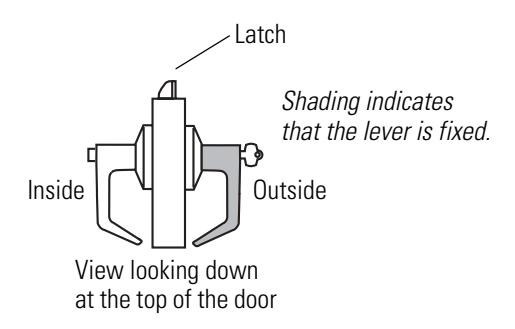
Figure 2.1 Understanding function drawings
Single-keyed functions
The following lists describe how the latchbolt, outside lever, and inside lever operate for each single-keyed 7KC function.
AB–Entrance (ANSI F109) D–Storeroom (ANSI F86)
Latchbolt operated by:
- inside lever
- outside key
- outside lever when not locked Outside lever locked by:
- inside button when pushed in
- inside button when pushed in and rotated clockwise
Outside lever unlocked by:
- inside lever when inside button pushed in but not turned
- outside key when inside button pushed in but not turned
- closing door when inside button pushed in but not turned
Inside lever is always unlocked
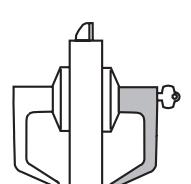
Latchbolt operated by:
- inside lever
- outside key
Outside lever is always fixed Inside lever is always unlocked
R–Classroom (ANSI F84)
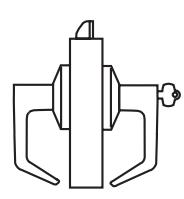
Latchbolt operated by:
- inside lever
- outside key
- outside lever when not locked
Outside lever locked by:
■ outside key
Outside lever unlocked by:
■ outside key
Inside lever is always unlocked
Non-keyed functions
The following lists describe how the latchbolt, outside lever, and inside lever operate for each non-keyed 7KC function.
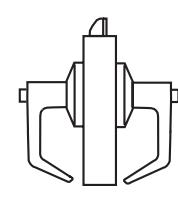
Latchbolt operated by:
- inside lever
- outside lever when not locked
Outside lever locked by:
■ inside button
Outside lever unlocked by:
- inside lever
- outside slotted button when rotated counterclockwise
- closing door
Inside lever is always unlocked
L–Privacy (ANSI F76) N–Passage (ANSI F75)
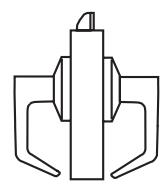
Latchbolt operated by:
- inside lever
- outside lever
Outside lever is always unlocked Inside lever is always unlocked
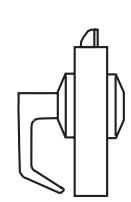
Latchbolt operated by:
■ inside lever
Inside lever is always unlocked
Y–Exit 1DT–Single dummy trim
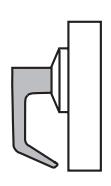
This trim assembly is a single, surface–mounted, non-rotating lever for an inactive door or a non-latching door. It can be installed on either the inside or outside of the door.
Functions by ANSI designation
| ANSI no. | Function |
|---|---|
| F75 | N |
| F76 | L |
| F84 | R |
| F86 | D |
| F109 | AB |
2–4
AB FUNCTIONCHASSIS AND TRIM—ENTRANCE LOCK (ANSI F109)
This diagram shows the AB function lock. The chassis without trim and individual chassis parts are not available to order. See the following pages for part numbers.
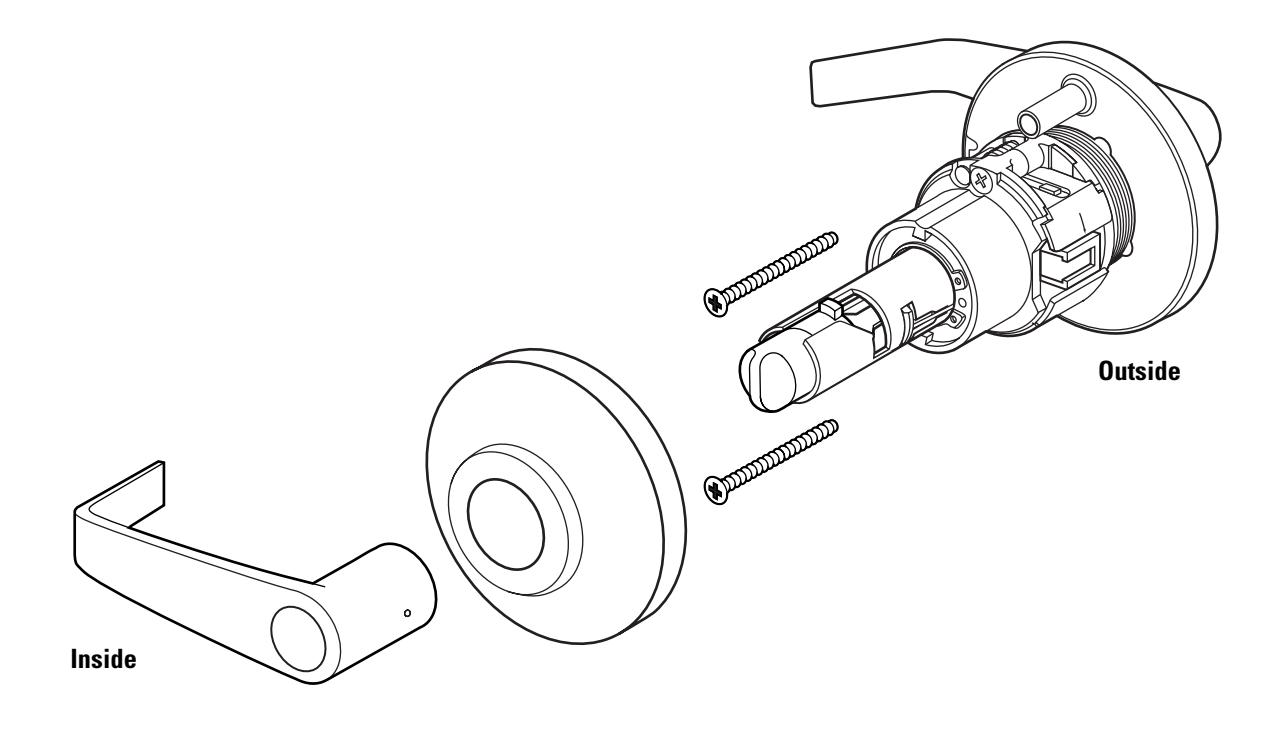
Figure 2.2 AB function exploded diagram
TRIM PARTS
The available finishes are 605, 606, 612, 613, 625, 626.
Strikes and strike boxes
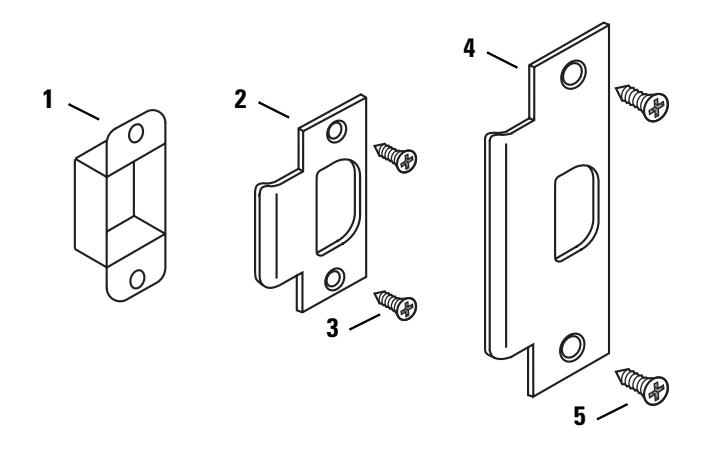
Figure 2.3 Strikes and strike boxes
Strikes and strike boxes parts list
| Item |
Nomen–
clature |
Part no.† | Qty. | Description |
|---|---|---|---|---|
| 1 | 8KS1 | B25640 | 1 | Standard steel strike box |
| 2 | 6KS2‡ | A53761 | 1 | Standard strike |
| 3 | N/A | A25359 | 2 | Strike screw |
| 4 | 6KS3†† | A53773 | 1 | ANSI strike |
| 5 | N/A | A18724 | 2 | Strike screw |
† Specify finish.
‡ Includes one A53761 strike, two A25359 strike screws, and one B25640 strike box.
†† Includes one A53773 strike and two A18724 strike screws.
Roses
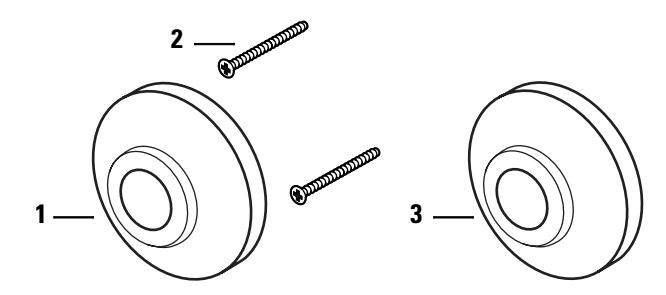
Figure 2.4 Roses
Roses parts list
| Item | Part no.† | Qty. | Description |
|---|---|---|---|
| 1 | B56163 | 1 | Inside rose |
| not shown | 1833712 | 1 | Inside rose liner |
| 2 | A55557 | 2 | Through-bolt screw |
| 3 | B56164 | 1 | Outside rose |
| not shown | 1833754 | 1 | Outside rose liner |
† Specify finish.
Buttons

Figure 2.5 Buttons
Buttons parts list
| Item 1 | Item 2 | Item 3 | |
|---|---|---|---|
| Finish | Turn button assembly | Slotted button assembly | Push button assembly |
| 605 | 1836205 | 1835725 | 1835966 |
| 606 | 1836247 | 1835767 | 1836006 |
| 612 | 1836289 | 1835809 | 1836048 |
| 613 | 1836320 | 1835840 | 1836080 |
| 625 | 1836362 | 1835882 | 1836121 |
| 626 | 1836404 | 1835924 | 1836163 |
Standard levers and throw member
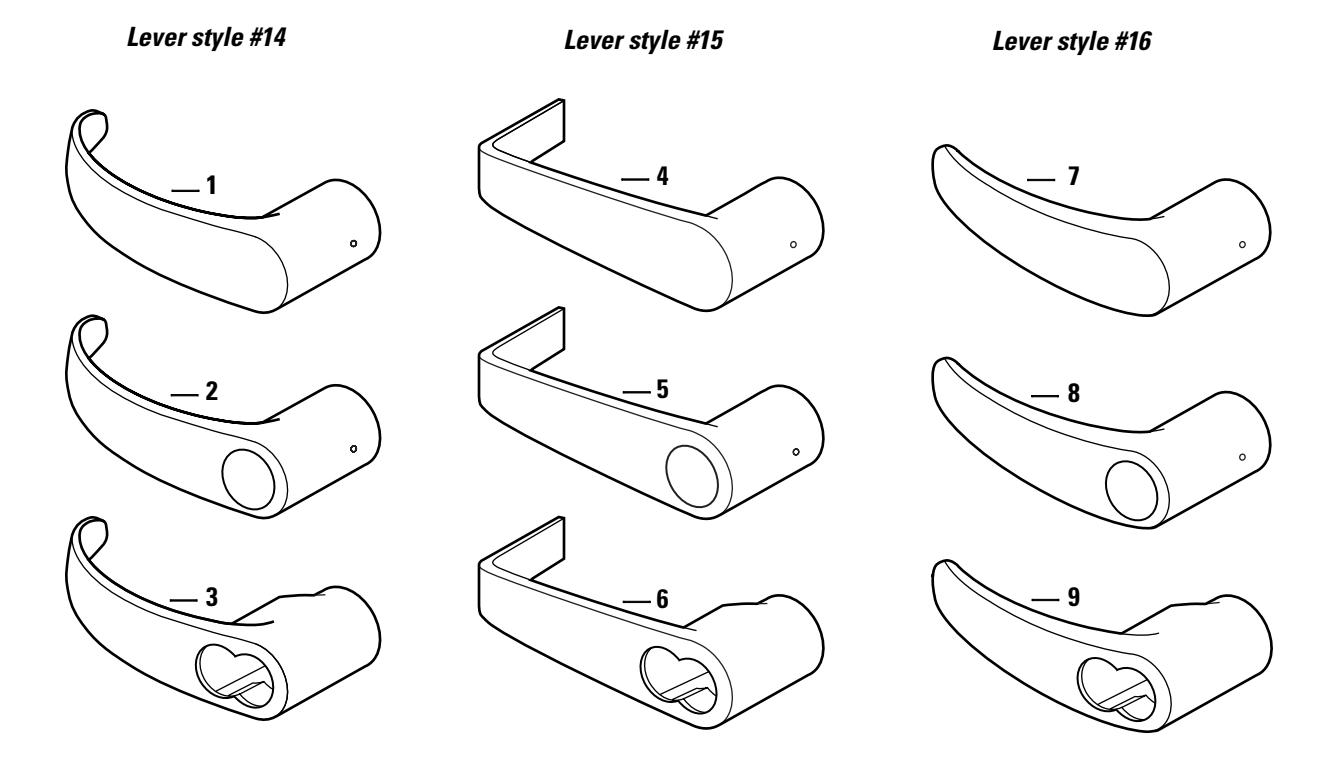
Figure 2.6 Standard levers
Standard levers parts list
| Style | Item | Part no.† | Description |
|---|---|---|---|
| 1 | D56159 | Plain lever handle | |
| 14 | 2 | D56157 | Button lever handle |
| 3 | D56158 | Keyed lever handle | |
| 4 | D56155 | Plain lever handle | |
| 15 | 5 | D56153 | Button lever handle |
| 6 | D56154 | Keyed lever handle | |
| 7 | D56162 | Plain lever handle | |
| 16 | 8 | D56160 | Button lever handle |
| 9 | D56161 | Keyed lever handle | |
† Specify finish.
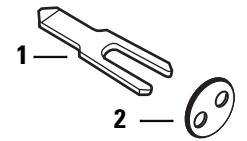
Figure 2.7 Throw member
Throw member part list
| Item | Part no. | Qty. | Description |
|---|---|---|---|
| 1 | B56165 | 1 | 7KC throw member† |
| 2 | A56170 | 1 | Throw member support ring |
† Use for 6-pin and 7-pin cores. No spacer is required.
Noninterchangeable lever and cylinders
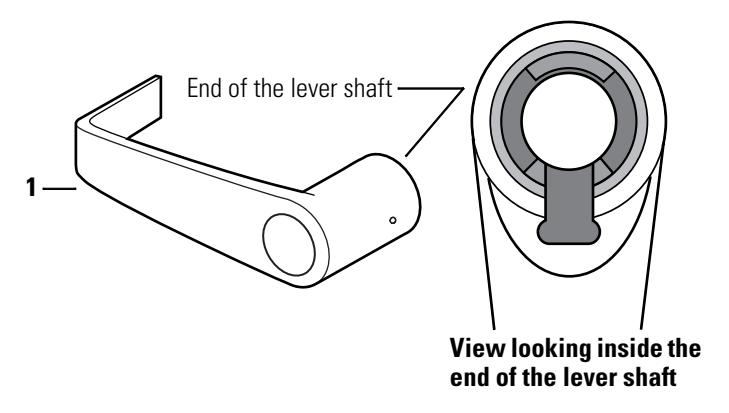
Figure 2.8 #15 Keyed lever for non-interchangeable cylinders
Non-interchangeable keyed lever and cylinders parts list
| Item | Part no. | Finish | Description |
|---|---|---|---|
| 1 | D56156† | #15 Keyed lever for non-interchangeable cylinders | |
| not shown | 1888913 | 626 | Non-interchangeable cylinder, keyed different |
| not shown | 1888955 | 606 | Non-interchangeable cylinder, keyed different |
| not shown | 1891329‡ | 626 | Non-interchangeable cylinder, keyed alike |
| not shown | 1891287‡ | 606 | Non-interchangeable cylinder, keyed alike |
| not shown | 1888756 | 626 | Non-interchangeable cylinder, zero-bitted |
| not shown | 1888798 | 606 | Non-interchangeable cylinder, zero-bitted |
† Specify finish.
‡ Contains a set of 4 cylinders.
Latches
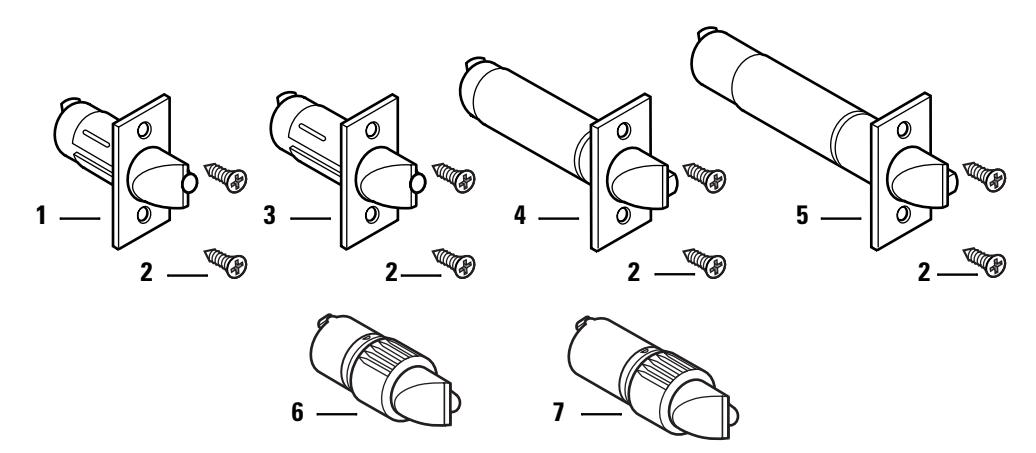
Figure 2.9 Latches
Latches parts list
| Nomen | ||||
|---|---|---|---|---|
| Item | Part No.† | clature | Backset | Description |
| 1 | B80112 | 6KL2-NF‡ | 2 3/8″ |
Deadlocking latch with narrow
face (1″ ) |
| not shown | B80188 | 6KL2-WF‡ | 2 3/8″ |
Deadlocking latch with wide
face (1 1/8″ ) |
| 2 | A25359 | N/A | N/A | Latch screw |
| 3 | B80189 | 6KL3-NF‡ | 2 3/4″ |
Deadlocking latch with narrow
face (1″ ) |
| not shown | B80113 | 6KL3-WF‡ | 2 3/4″ |
Deadlocking latch with wide
face (1 1/8″ ) |
| 4 | B80194 | 6KL4-NF‡ | 3 3/4″ |
Deadlocking latch with narrow
face (1″ ) |
| not shown | B80195 | 6KL4-WF‡ | 3 3/4″ |
Deadlocking latch with wide
face (1 1/8″ ) |
| 5 | B80196 | 6KL5-NF‡ | 5″ |
Deadlocking latch with narrow
face (1″ ) |
| not shown | B80197 | 6KL5-WF‡ | 5″ |
Deadlocking latch with wide
face (1 1/8″ ) |
| 6 | A80192 | 6KL2-L8 | 2 3/8″ | Drive-in latch |
| 7 | A80193 | 6KL3-L8 | 2 3/4″ | Drive-in latch |
† Specify finish.
‡ Includes the latch and two A25359 latch screws.
Installation tools
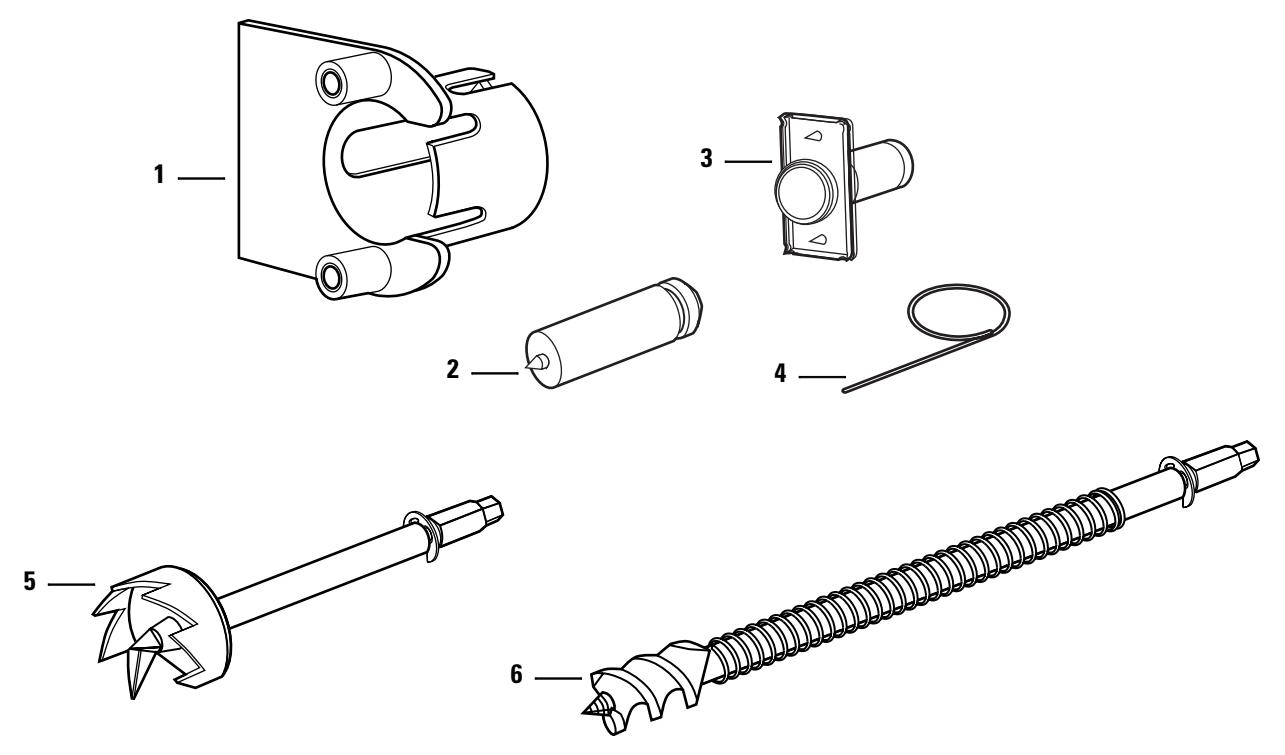
Figure 2.10 Installation tools
Installation tools parts list
| Nomen | |||
|---|---|---|---|
| Item | clature | Part no. | Description |
| 1 | KD303 | C55034 | Drill jig |
| 2 | KD325 | A01514 | Strike plate locating pin |
| 3 | KD315 | 1350393 | Faceplate marking chisel (1 1/8″ × 2 1/4″ ) |
| not shown | KD312 | 1487975 | Faceplate marking chisel (1″ × 2 1/4″ ) |
| 4 | N/A | A25341 | Knob keeper tool |
| 5 | KD309 | A54084 | 2 1/8″ diameter chassis hole bit assembly† |
| 6 | KD318 | A54085 | 1″ diameter drill bit assembly† |
† Use with the boring jig.
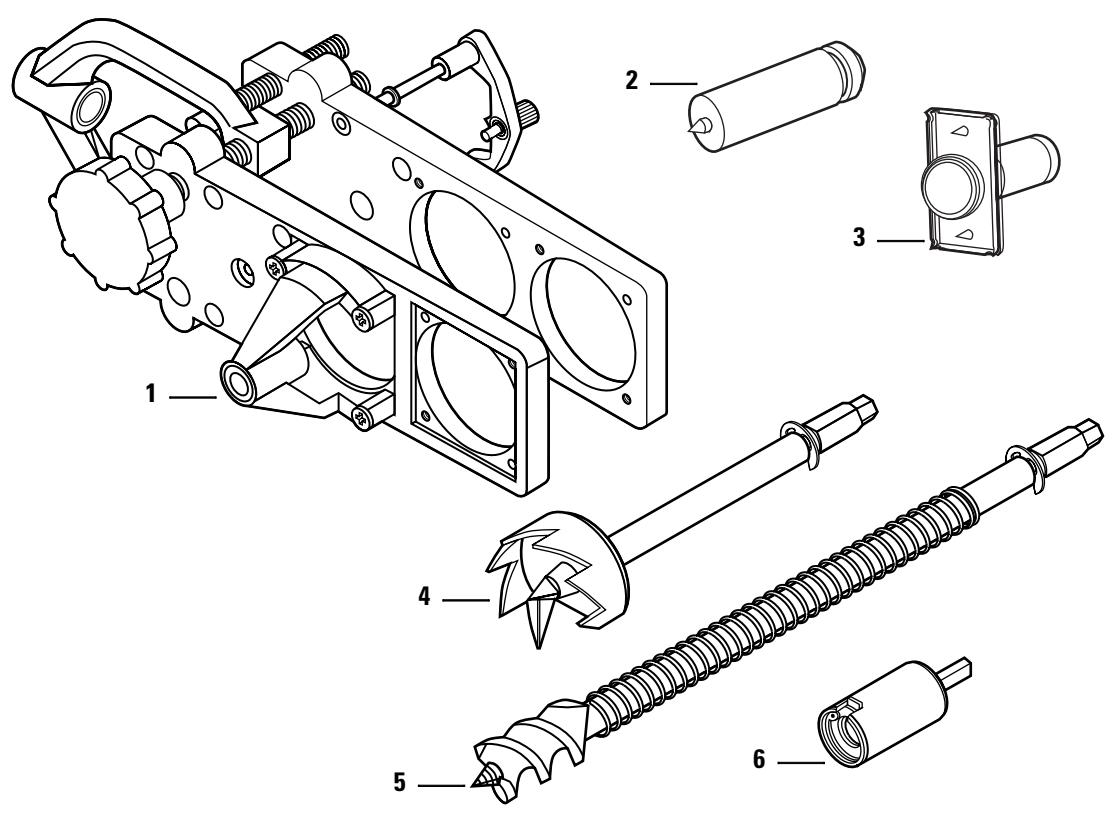
Figure 2.11 Boring jig kit
Boring jig kit parts list
| Item |
Nomen
clature |
Part no. | Description |
|---|---|---|---|
| 1 | N/A | N/A | Boring jig† |
| 2 | KD325 | A01514 | Strike plate locating pin |
| 3 | KD315 | 1350393 | Faceplate marking chisel (1 1/8″ × 2 1/4″ ) |
| not shown | KD312 | 1487975 | Faceplate marking chisel (1″ × 2 1/4″ ) |
| 4 | KD309 | A54084 | 2 1/8″ diameter chassis hole bit assembly |
| 5 | KD318 | A54085 | 1″ diameter drill bit assembly |
| 6 | N/A | N/A | Adaptor for 3/8″ drill chuck† |
| 1–6 | KD304A | N/A | Boring jig kit |
† Can only be ordered as part of the KD304A boring jig kit.
3 SERVICE AND MAINTENANCE
This chapter contains instructions for replacing components, servicing and maintaining components, and troubleshooting common problems.
| See | ||
|---|---|---|
| To | page | |
| Replace levers | 3–2 | |
| Replace roses | 3–5 | |
| Replace button assemblies | 3–8 | |
| Lubricate cores | 3–10 | |
| Align chassis and trim | 3–11 | |
| Troubleshoot common problems | 3–12 | |
REPLACING PARTS
Replacing the lever To remove the keyed lever:
Note: For instructions regarding non-IC levers, see BEST Installation Instructions for 7KC Non-IC Cores and Throw Members (T80628).
- 1. Insert the control key into the core and rotate the key 15 degrees to the right.
- 2. Remove the core and throw member from the lever.
- 3. Insert a flat blade screwdriver into the figure-8 core hole and into the lever keeper.
- 4. Press the screwdriver blade in the direction of the arrow in Figure 3.1.
Note: You will not be able to remove the lever if the screwdriver blade is inserted too far past the keeper.
5. Slide the lever off the sleeve.
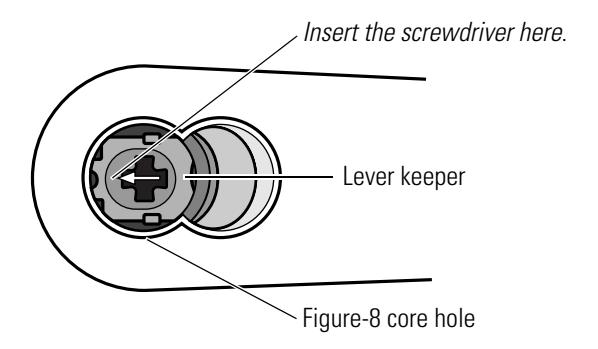
Figure 3.1 Removing the keyed lever
To remove the plain lever or button lever:
- 1. Insert the knob keeper tool into the hole on the shaft of the lever, as shown in Figure 3.2.
- 2. Slide the lever off the sleeve.
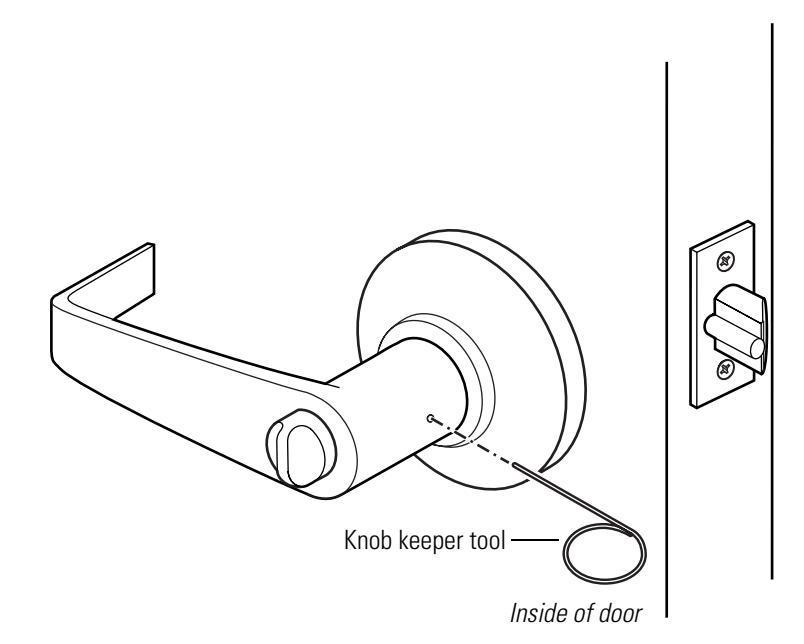
Figure 3.2 Removing the plain lever or button lever
To reinstall the lever:
Note: For instructions on reinstalling non-IC levers, see BEST Installation Instructions for 7KC Non-IC Cores and Throw Members (T80628).
- 1. Position the lever so that the handle points toward the door hinges, as shown in Figure 3.3 .
- 2. Slide the lever onto the sleeve and firmly push on the lever until it is seated.
- 3. Turn the levers to check that they operate smoothly.
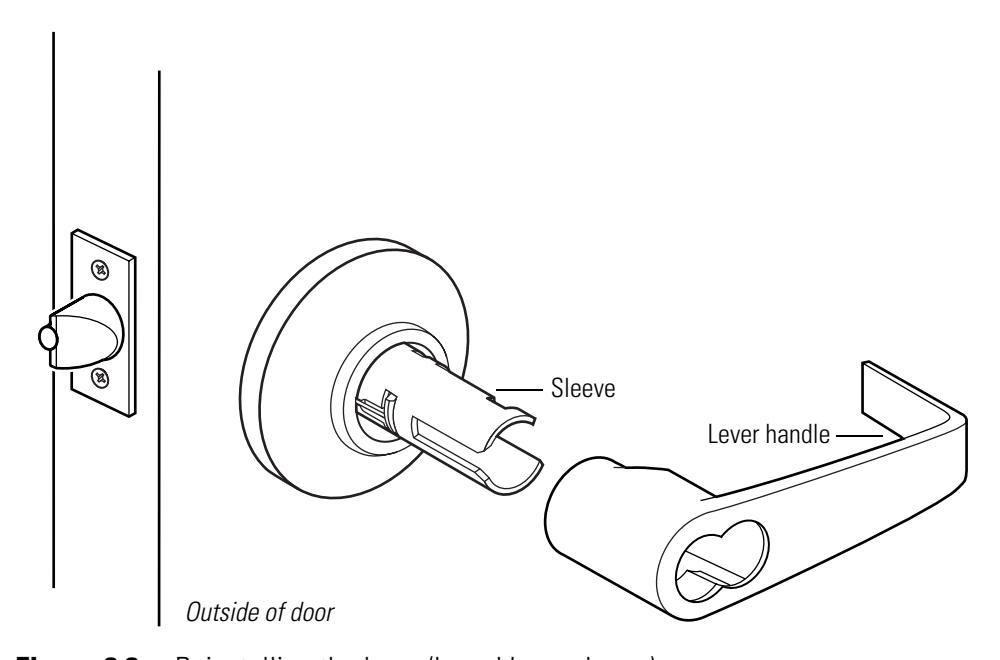
Figure 3.3 Reinstalling the lever (keyed lever shown)
-
4. If the lever is keyed, perform the steps below.
- a. For R function locks , insert a screwdriver into the figure-8 opening and turn the locking mechanism counterclockwise as far as it will go.
For all other function locks , go to step b.
- b. Insert the control key into the core and rotate the key 15 degrees to the right.
- c. Using the control key, insert the core and throw member into the lever.
- d. Rotate the control key 15 degrees to the left and remove the key.
Replacing the inside rose
To remove the inside rose:
- 1. Remove the inside lever (page 3–2 ).
- 2. Insert a flat blade screwdriver in the slot between the rose and liner, as shown in Figure 3.4 . Pry the rose until it pops off the liner.
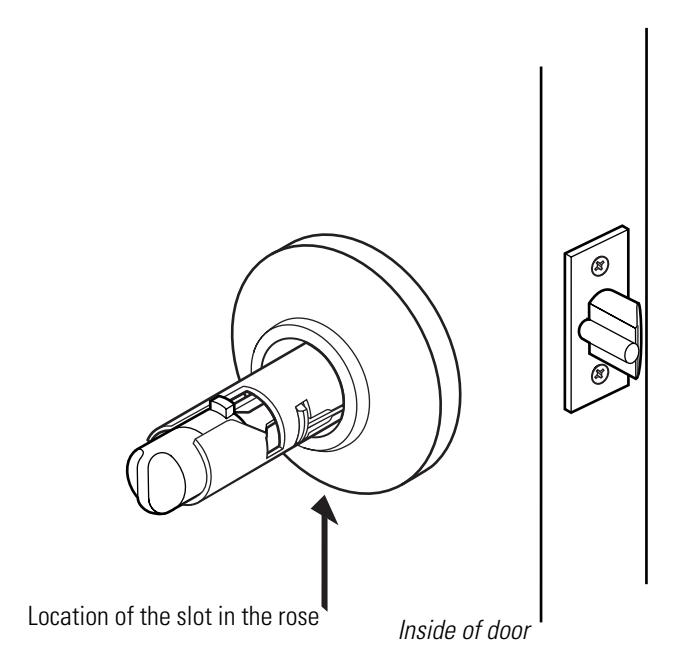
Figure 3.4 Removing the inside rose with the screwdriver
- 3. Unscrew the two through-bolts. Save the through-bolts.
- 4. Slide the liner off the sleeve. Save the liner.
To reinstall the inside rose:
- 1. Align the holes in the liner with the holes prepared in the door, as shown in Figure 3.5.
- 2. Install the two through-bolts through the liner and door in the top and bottom holes.
- 3. Tighten the liner onto the door with the through-bolts.
- 4. Align the slot in the rose with the tab on the liner and firmly press until the rose is flush with the door.
5. Reinstall the inside lever (page 3–4 ).
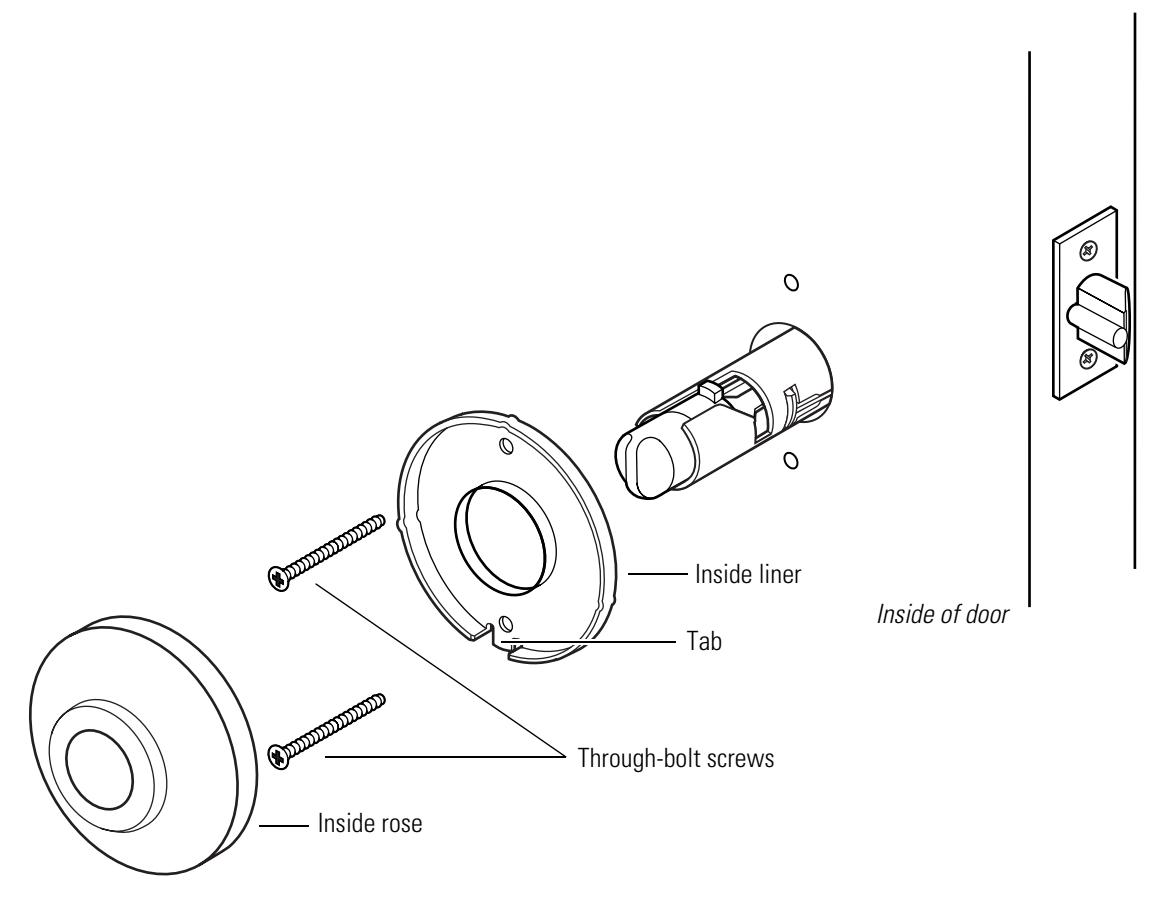
Figure 3.5 Reinstalling the inside rose and rose liner
Replacing the outside rose
To remove the outside rose:
-
1. Remove the following components:
- levers (page 3–2)
- inside rose and rose liner (page 3–5) .
- 2. Slide the chassis assembly out of the door.
- 3. Retract the rose locking pin, and rotate the rose and liner assembly until it is free from the hub. See Figure 3.6 .
4. Slide the rose and liner assembly off the sleeve.
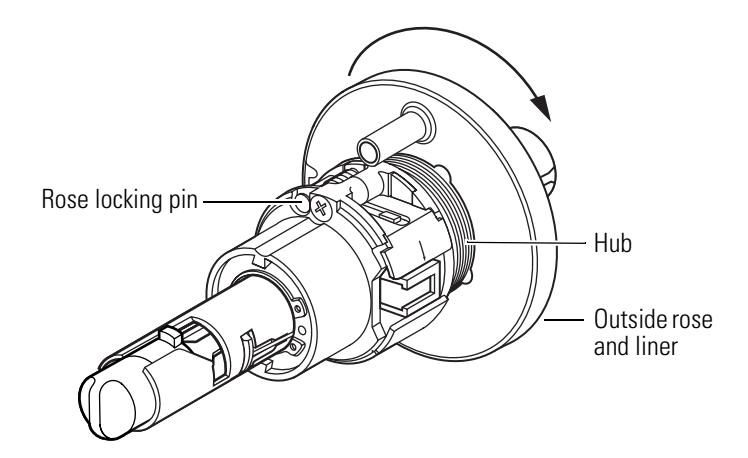
Figure 3.6 Removing the outside rose
5. To separate the rose from the liner, insert a flat blade screwdriver in the slot between the rose and the liner. Pry the rose until it pops off the liner.
To reinstall the outside rose:
- 1. Firmly press the outside rose onto the liner.
- 2. Slide the outside rose and liner assembly onto the outside hub.
- 3. Retract the rose locking pin, and rotate the rose and liner assembly onto the hub until the assembly reaches the bottom of the threading.
- 4. With the rose locking pin still retracted, rotate the rose and liner assembly back off the hub. When the posts on the liner align with the chassis screws, release the rose locking pin into the indent in the liner. See Figure 3.7 . The pin should lock into the rose liner.
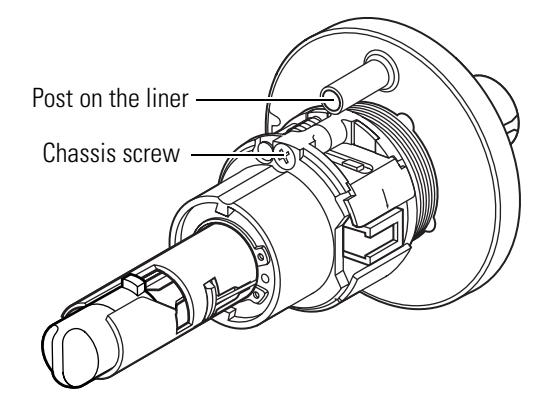
Figure 3.7 Reinstalling the outside rose
5. From the outside of the door, install the chassis assembly. The outside rose and liner assembly should be flush with the door. Make sure the latch tabs engage the chassis frame and the latch tailpiece engages the retractor. See Figure 3.8 .
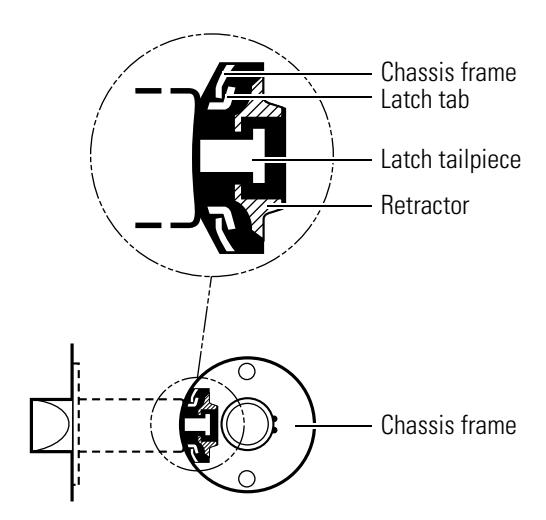
Figure 3.8 Engaging the retractor in the latch
-
6. Reinstall the following components:
- inside rose and rose liner (page 3–5)
- levers (page 3–4) .
Replacing the button assembly
To remove the button assembly:
Note: These instructions apply for all types of button assemblies.
1. Remove the lever ( page 3–2 ).
2. Insert a flat blade screwdriver behind the plastic button retainer and pry the button assembly from the locking bar, as shown in Figure 3.9.
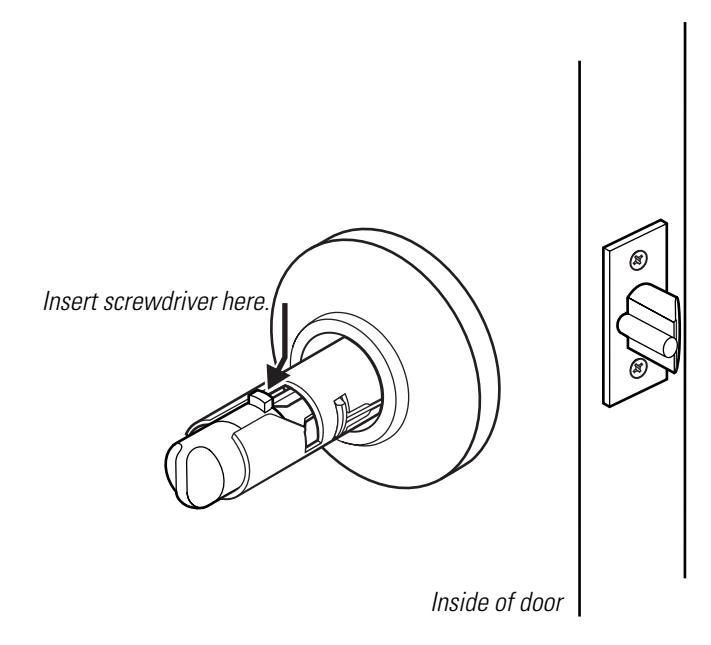
Figure 3.9 Removing the button assembly
To reinstall the button assembly:
1. Align the button tab with the top slot in the sleeve, as shown in Figure 3.10.
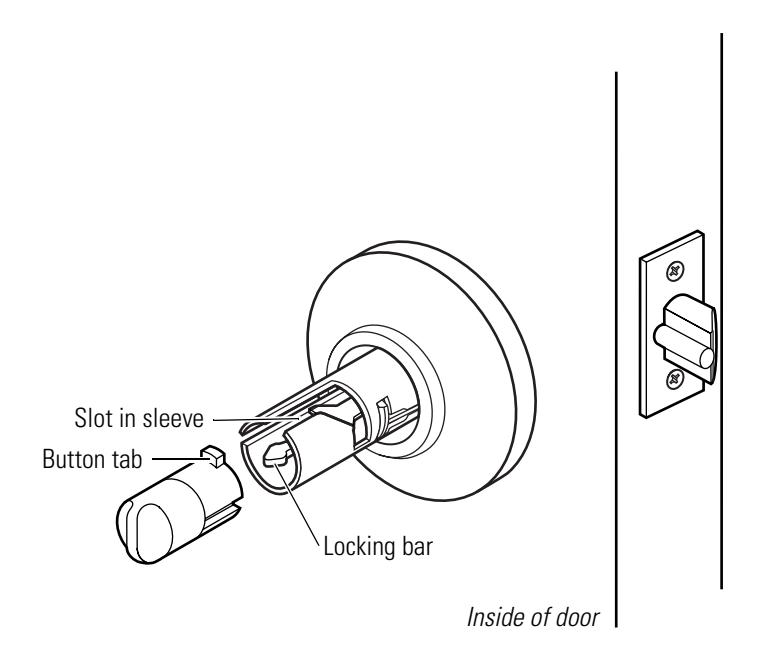
Figure 3.10 Inserting the button assembly into the sleeve
- 2. Firmly press the button assembly onto the locking bar until it is seated.
- 3. Reinstall the lever ( page 3–2) .
LUBRICATING THE CORES

Do not lubricate cores with oil. Doing so will only attract dirt.
For powdered graphite lubrication:
-
1. Dip a key in graphite. Insert the key into the keyhole and remove it; repeat several times.
OR
- Spray graphite into the keyhole. Insert the key into the keyhole and remove it; repeat several times.
- 2. Allow the graphite to sift into the pin segment holes.
For silicone type lubrication:
1. Clean all existing lubricant out of the core.

Do not mix graphite with a silicone-type lubricant.
2. With the core inverted, spray the lubricant into the key opening allowing the spray to penetrate the pin segment holes.
Note: When cores are installed and exposed to harsh weather conditions, silicone-type lubricants can help displace moisture as well as spread into pin segment holes and other surfaces.
ALIGNING THE CHASSIS AND TRIM
Establish a schedule to inspect locks, doors, and door hardware for proper alignment and operation. Occasionally a lock chassis and/or rose trim may become loose and require tightening.
To retighten a loose or misaligned chassis or rose trim:
-
1. Remove the following components:
- inside rose and rose liner (page 3–5) .
- 2. Align the chassis with the latch. Make sure that the latch tabs engage the chassis frame and the latch tailpiece engages the retractor, as shown in Figure 3.11 . The outside rose and liner should also be flush with the door.
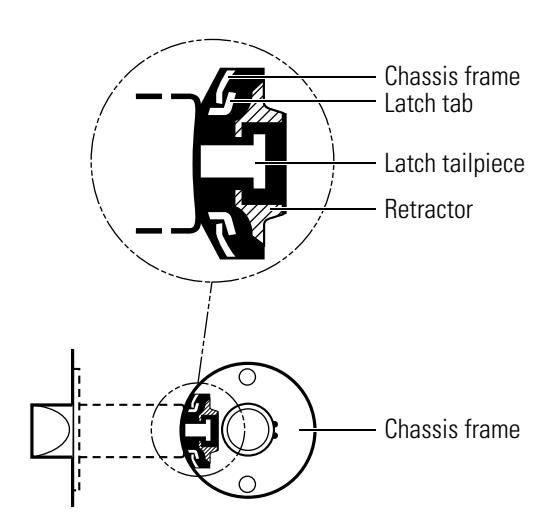
Figure 3.11 Engaging the retractor in the latch
-
3. If the chassis is not aligned with the latch, or the outside rose is not flush with door, perform these steps:
- a. Slide the chassis assembly out of the door.
- b. Retract the rose locking pin and adjust the outside rose and liner assembly as necessary, as shown in Figure 3.12.
- c. Release the rose locking pin when it is lined up with an indent in the liner and the posts on the liner match up with the chassis screws. The pin should lock into the rose liner.
d. From the outside of the door, install the lock chassis assembly. The outside rose and liner assembly should be flush with the door. Make sure the latch tabs engage the chassis frame and the latch tailpiece engages the retractor.
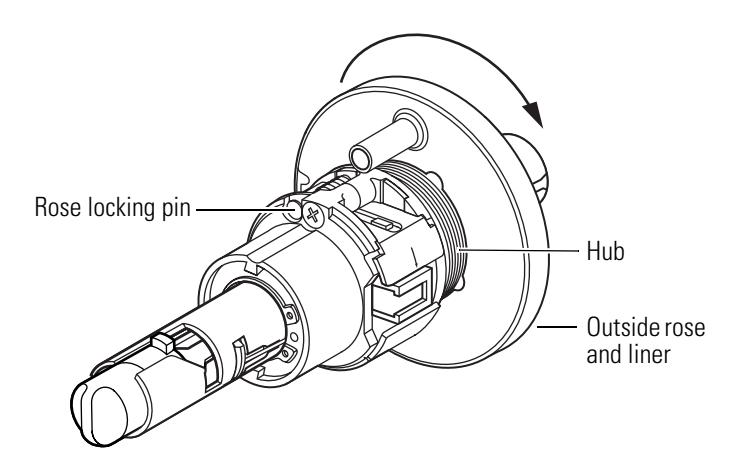
Figure 3.12 Adjusting the outside rose and liner assembly
- 4. Test the lever operation to make sure that the latch tailpiece does not bind with the chassis retractor.
-
5. Reinstall the following components:
- inside rose and liner ( page 3–5)
- levers (page 3–4) .
TROUBLESHOOTING
This table summarizes the possible causes for certain lock problems. The causes are listed in the order of likelihood. (The most likely cause is first, and so forth.)
| You notice… | Possible causes include… | You should… |
|---|---|---|
|
Lever won't return to its normal
position. |
There is binding between the lever
and rose. |
Make sure that the lock chassis is
centered within the door (page 3–11). |
|
Key spins freely, but won't retract
the latch or unlock the door. |
Throw member is not installed. | Install the throw member. |
|
Core doesn't fit into the lever core
hole. |
Keyed lever is defective. | Replace the keyed lever (page 3–2). |
| Button doesn't pop out as expected. | Button retainer is damaged or bent. |
Replace the button assembly
(page 3–8). |
| Latch doesn't retract. | a. Latch tailpiece is broken. | a. Replace the latch assembly. |
|
b. Latch tailpiece didn't engage the
retractor correctly during installation. |
b. Reinstall the lock chassis in the
door (page 3–6). |

A INSTALLATION INSTRUCTIONS
The following pages contain the Installation Instructions for 72KC-75KC Cylindrical Locks.

Installation Instructions for 72KC–75KC Cylindrical Locks
For factory prepared doors only
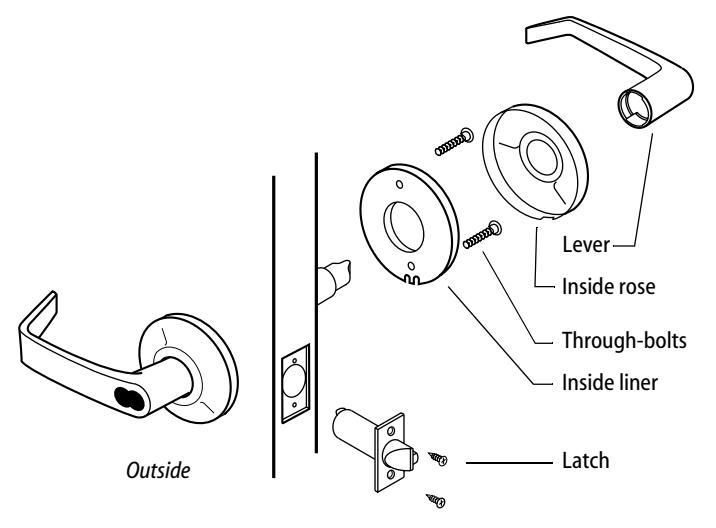
Figure 1 — Overview of installing the lock
Caution: If you use hollow metal doors, determine whether the doors are reinforced enough to support the lock. If door reinforcement is not adequate, consult the door manufacturer for information on proper reinforcement.
Simplified instructions
- 1 Install the latch so that the bevel on the latchbolt faces the strike.
- 2 Adjust the outside rose assembly so that the chassis is centered in the door. Install the chassis from the outside of the door.
- 3 Install the inside liner, through-bolts, rose, lever and strike.
For field door preparation and detailed installation instructions, see the following tasks.
1 Position template
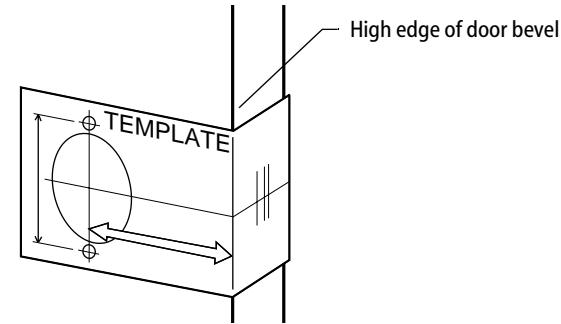
Figure 2 — Placing the template onto the door
- 1 Fold the template and place it in position on the high edge of the door bevel. See Figure 2.
- 2 Mark the drill points.
Note: The suggested height from the floor to centerline of the lock is 40 5/16". If steel frames are used, the latch centerline must be in line with the center of the strike preparation.
2 Bore two holes and install latch
- 1 Bore a 2 1/8" diameter hole from both sides of the door, to the center of the door.
- 2 Drill a 1" diameter hole from the edge of the door that intersects the 2 1/8" hole.
- 3 Mortise the door edge for the latch face.
- 4 Install the latch through the 1" diameter hole. For drive-in latches, use a rubber mallet. Latch tabs should project into the 2 1/8" diameter hole. See figure 3 in task 3.
- 5 Check the door swing.
3 Install boring jig and drill two 5/16" diameter holes
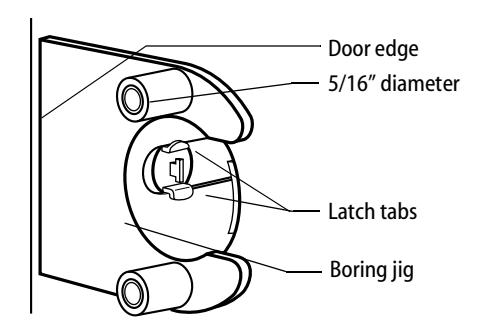
Figure 3 — Installing the boring jig onto the door
- 1 Install the boring jig onto the door and engage with the latch tabs. Make sure the front edge of the jig is parallel with the door edge. See Figure 3.
- 2 Drill two 5/16" diameter holes halfway into the door.
- 3 Turn the boring jig over and repeat steps one and two from the opposite side of the door.
Note: Replace the boring jig after ten door preparations.
4 Adjust lock to door thickness
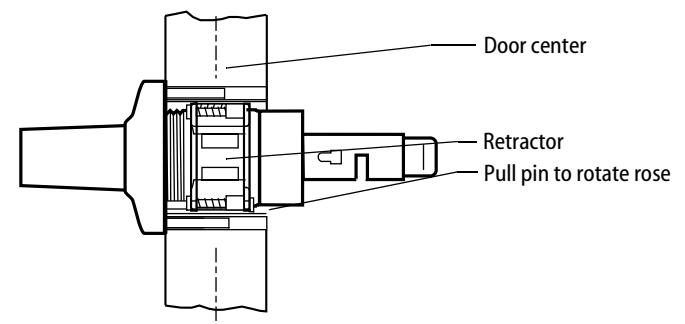
Figure 4 — Adjusting the lock to match the door thickness
1 Temporarily remove the latch.
- 2 Retract the rose locking pin and rotate the outside rose liner in or out for the proper door thickness by lining up the "DOOR CENTER" mark with the center of the latch hole.
- 3 Reinstall the latch.
Note 1: Make sure the locking pin locks into the rose liner.
Note 2: Locksets will fit 1 3/8" to 2" thick doors.
5 Engage retractor in latch
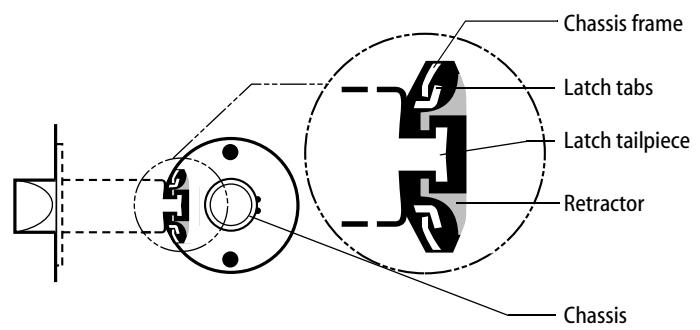
Figure 5 — Engaging the latch in the retractor
■ With the latch in place, install the chassis from the outside. Make sure the latch tabs engage the chassis frame and the latch tailpiece engages the retractor. See Figure 5.
6 Install liner, rose, and lever
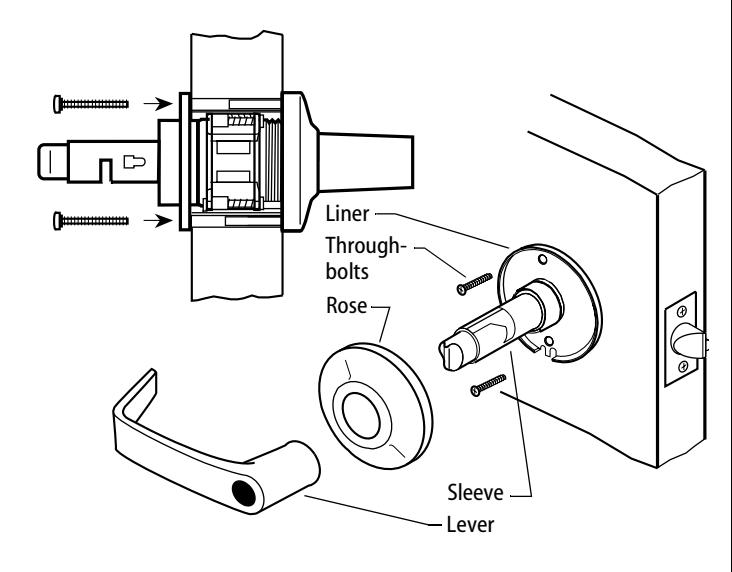
Figure 6 — Installing the inside liner, rose, and lever
- 1 Align the holes in the liner with the holes prepared in the door.
- 2 Install through-bolts through the liner and the door in the top and bottom holes. See Figure 6.
- 3 Tighten the liner onto the door with the through-bolts.
- 4 Slide the rose over the sleeve, then press the rose onto the liner. The rose should fit closely to the door surface.
- 5 With the lever pointing toward the hinges, push the lever on firmly until seated.
7 Install strike plate
1 In alignment with the center of the latchbolt, mortise the door jamb to fit the strike box and strike plate.
Caution: The deadlocking plunger of the latchbolt must not enter the strike plate opening. The plunger deadlocks the latchbolt and prevents forcing the latch when the door is closed. A gap of more than 1/8" may reduce security and/or cause improper operation of the latchbolt.
2 Insert the strike box and secure the strike with the screws provided. See Figure 7.
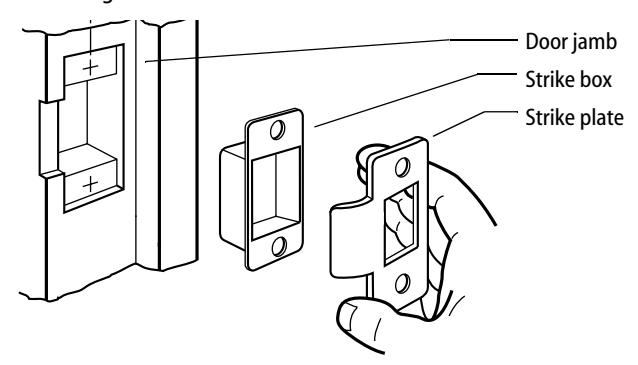
Figure 7 — Installing the strike box and strike plate
8 Install core
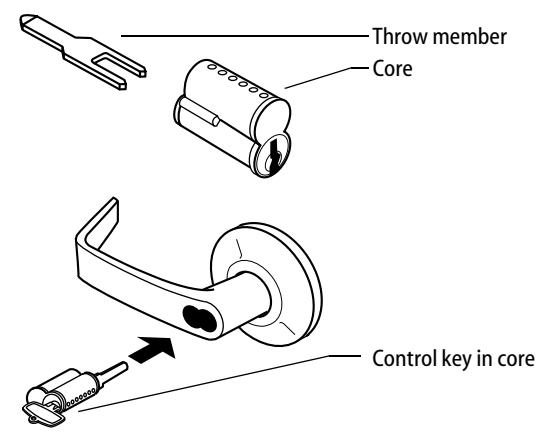
Figure 8 — Installing the core
- 1 For R function locks , insert a screwdriver into the figure-8 opening and turn the locking mechanism counterclockwise as far as it will go. For all other function locks , go to step 2.
- 2 Insert the throw member into the core (see Figure 8 top).
- 3 Put the control key into the core and turn the key 15 degrees clockwise.
- 4 Put the core and throw member into the lever with the control key (see Figure 8—bottom).
- 5 Turn the key 15 degrees counterclockwise and remove the key.
Caution: Since the control key is a high-security key, make sure to keep it protected.
B INDEX
| A | F |
|---|---|
| AB function lock | faceplate marking chisel 2–10 to 2–11 |
| function description for 2–2 | function description |
| part numbers and drawings for 2–4 | for AB function lock 2–2 |
| aligning the chassis and trim 3–11 | for D function lock 2–2 |
| for L function lock 2–3 | |
| B | for N function lock 2–3 |
| boring jig kit 2–11 | for R function lock 2–3 |
| buttons | for single dummy trim 2–3 |
| part numbers and drawings for 2–6 | for Y function lock 2–3 |
| reinstalling 3–9 | |
| removing 3–8 | I |
| installation tools 2–10 | |
| C | |
| certifications and standards 1–1 | L |
| cores, lubricating 3–10 | L function lock 2–3 |
| latches 2–9 | |
| D | levers |
| part numbers and drawings for 2–7 | |
| D function lock 2–2 | reinstalling 3–4 |
| diagrams, exploded | removing keyed lever 3–2 |
| see part numbers and drawings | removing plain or button lever 3–3 |
| documentation package 1–2 | lock chassis |
|
drawings, of parts
see part numbers and drawings |
aligning 3–11 |
| drill jig 2–10 | reinstalling in the door 3–8 |
| removing from the door 3–6 | |
| E | lubricating cores 3–10 |
| exploded diagrams | N |
| see part numbers and drawings | N function lock 2–3 |
| non-IC lever and core 2–8 | |
| numbers, for parts | |
| see part numbers and drawings | |